When should I visit Dubrovnik? This is the question I get the most. After living here my whole life, my answer is always the same: it depends on what you want from your trip.
Table of contents
When Is The Best Time To Visit Dubrovnik?
Each season in Dubrovnik, Croatia, offers a different experience, and none is wrong. Choosing the best time should match your priorities.
Our next guide breaks down each season with Croatian weather data, crowd patterns, local events, and practical tips.
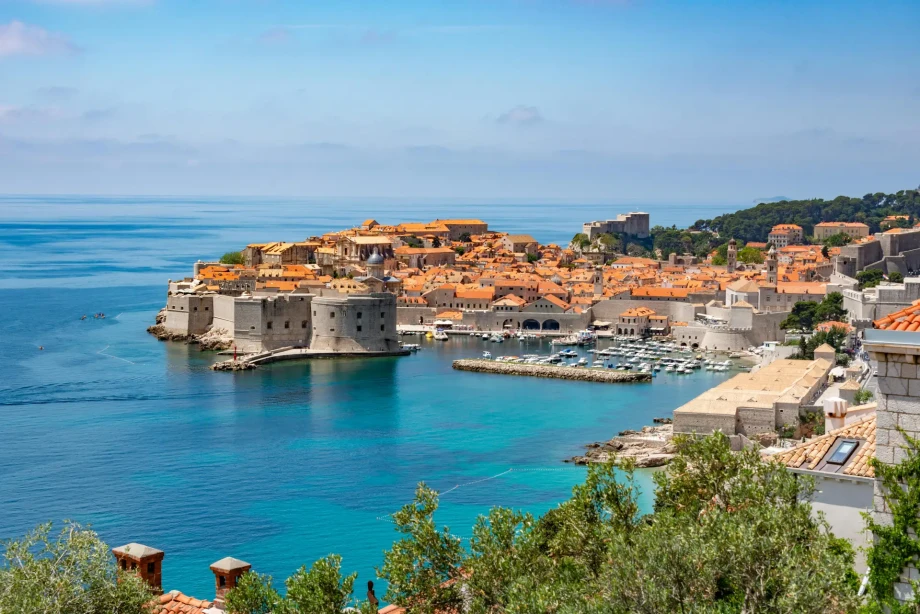
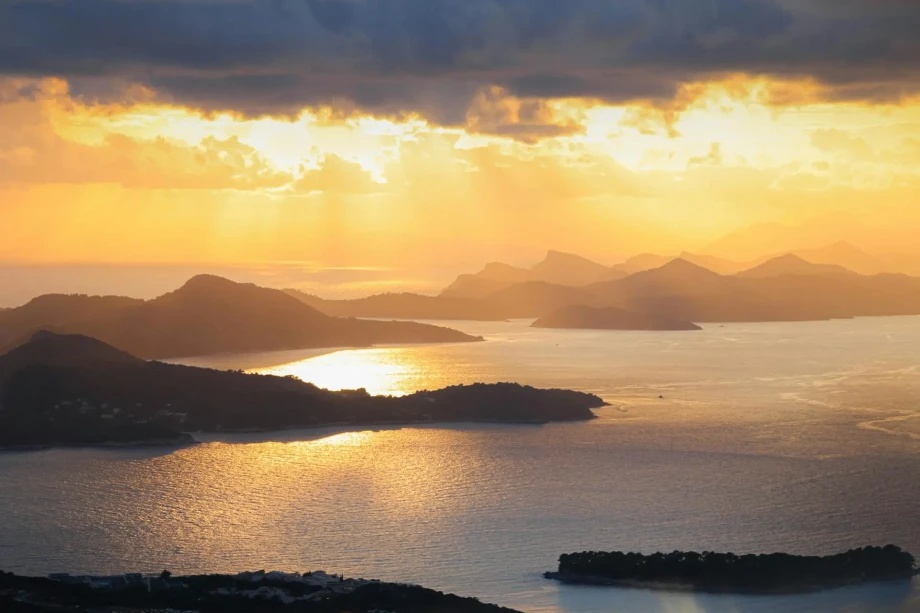
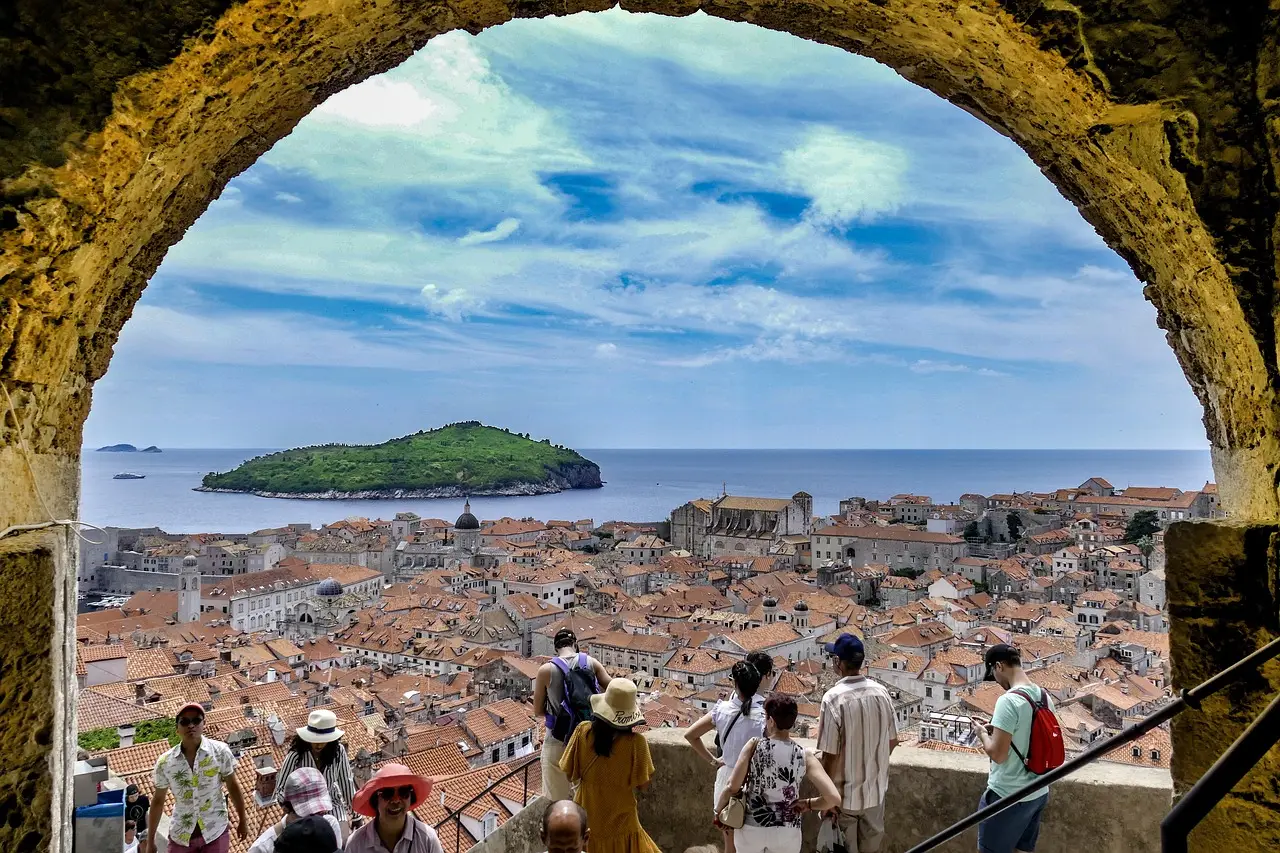 View of nearby Lokrum Island from Dubrovnik
Dubrovnik's Climate
Dubrovnik has a Mediterranean climate with mild, wet winters and hot, dry summers. Most rain falls in the winter months, between October and January. In the summer months (June–August), rain is almost nonexistent. Winter highs hover around 12–13 °C, while July and August regularly reach 30 °C and above. Spring and autumn range from 18 to 26 °C.
The sea is swimmable from June through September.
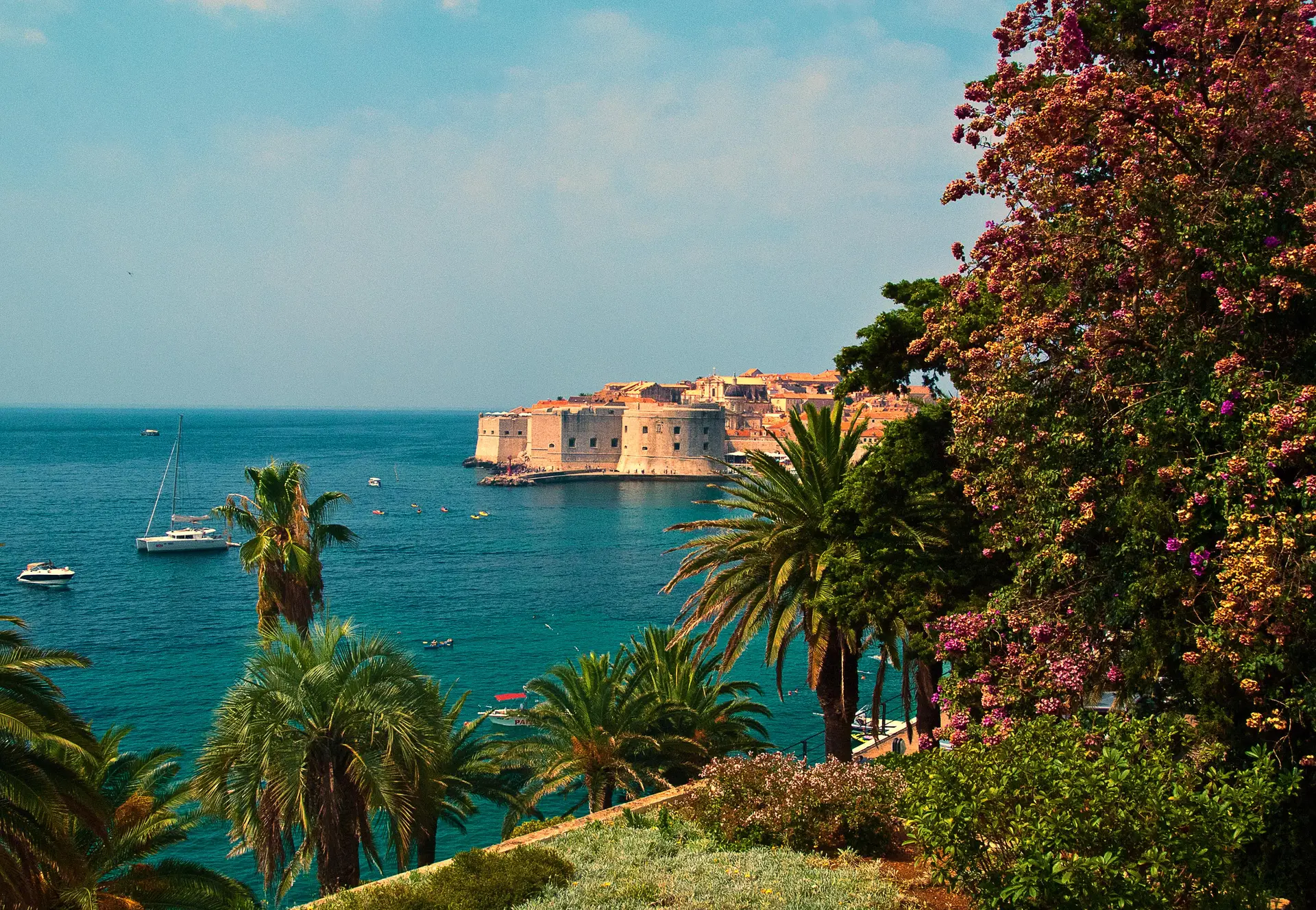 Summer in Dubrovnik
Spring (April and May): Time To Explore Attractions Around the City
Spring is when Dubrovnik wakes up. By mid-April, most bars and restaurants, cafés, and tour operators open for the season. Temperatures are warm enough for long walking days, but the sea temperatures are still cool (16–19 °C). Swimming is for the brave ones, and most locals wait until June.
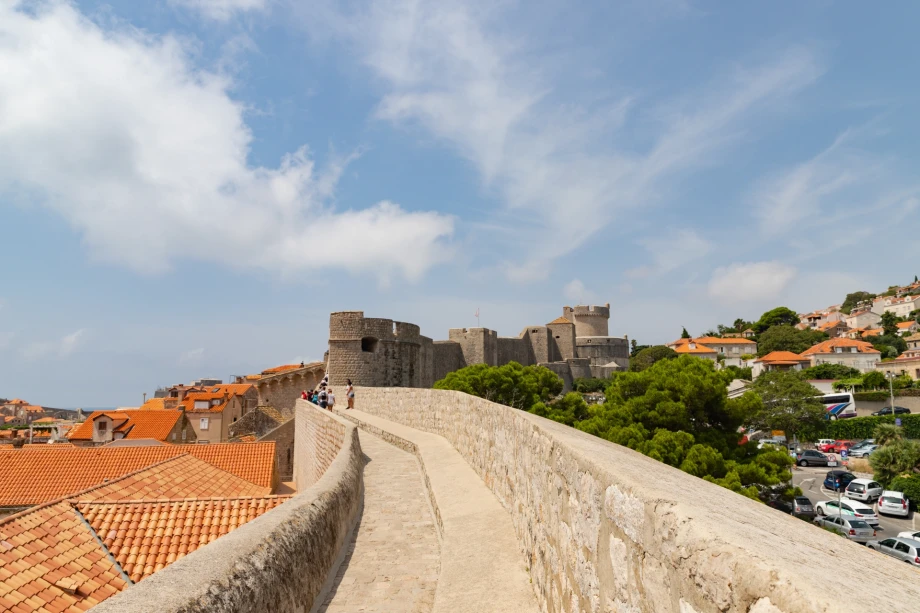
The Old Town is busy enough to feel alive but not packed. You can walk the City Walls without waiting 45 minutes in line. Accommodation prices are about 40–50% lower than in peak season, so it's a great time to visit.
On the cultural side, Dubrovnik Musical Spring runs from mid-April to early June. It's a series of classical concerts by the Dubrovnik Symphony Orchestra, performed in historic venues across the city.
Easter weekend marks the unofficial start of tourist season. If your dates are flexible, arriving the week after Easter lets you enjoy open restaurants without the holiday rush. The light in late April in Dubrovnik is especially good for photography. Golden mornings, very few people on the Stradun, and the Srd hillside covered in wildflowers.
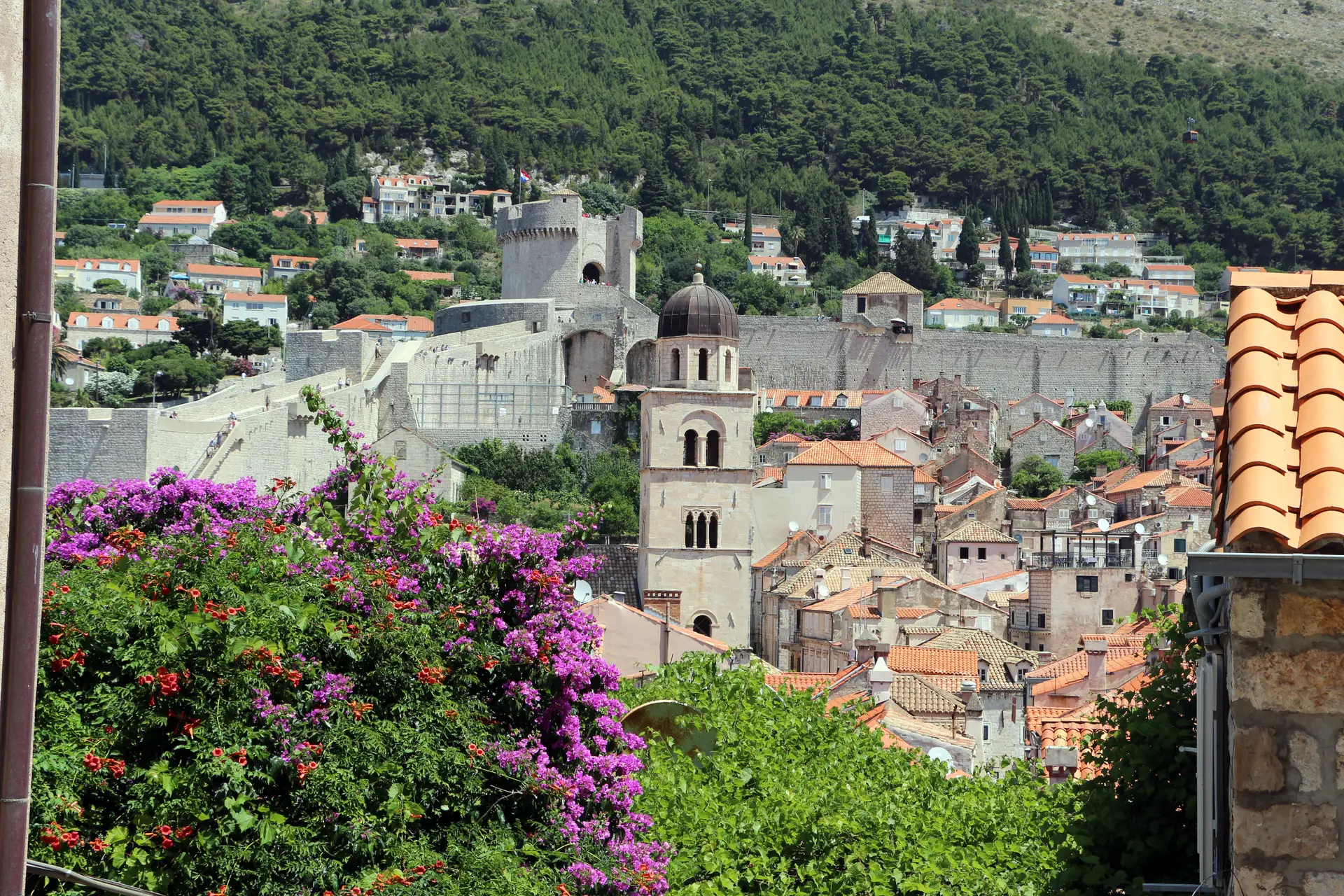 Expect to see a lot of purple flowers in spring
Summer (June–August): High Season and Plenty of Sunshine
Summer is what most people picture when they think of Dubrovnik. But it is also the busiest and most expensive time to visit it.
Since 2026, the Dubrovnik Port Authority has limited the number of simultaneous cruise passengers entering the Old Town to 4,000. In practice, summer days can still have two to three ships docked in Dubrovnik at once. And that adds thousands of day-trippers to the Stradun between 9 am and 3 pm. Daytime highs regularly exceed 30 °C, the city walls radiate stored heat, and there is almost no shade on the walk.
The 77th Dubrovnik Summer Festival is the main cultural event. It features theatre, classical music, and dance performances at open-air stages across the Old Town. Tickets for headline shows sell out early, so book as soon as the programme is published.
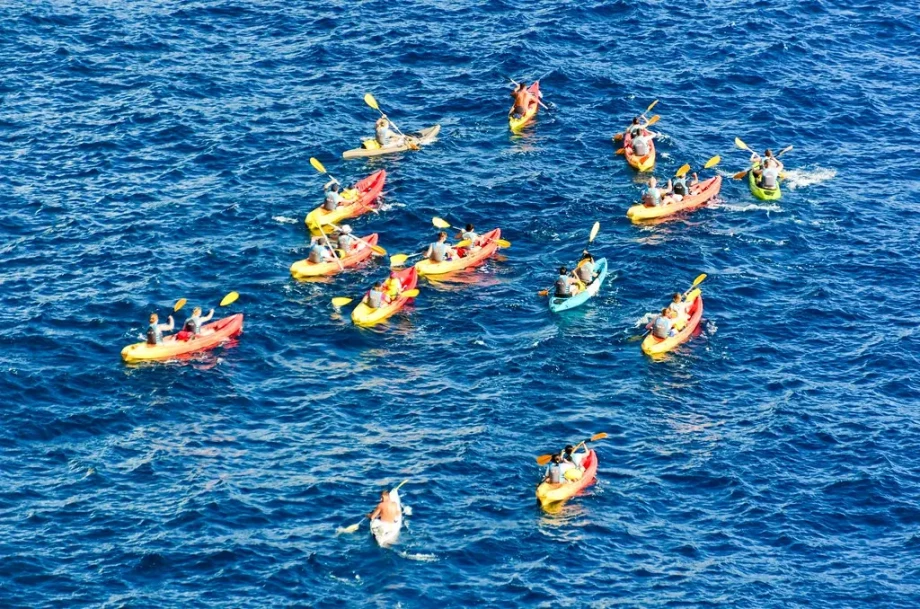
Beaches at Banje and Lapad fill up by 10 am. If you want a quieter spot, consider kayaking or boating to Lokrum Island. June is one of the best months of the summer. It is warm enough for the beach and noticeably less crowded than July or August. Waiting times for attractions are much lower in June, too.
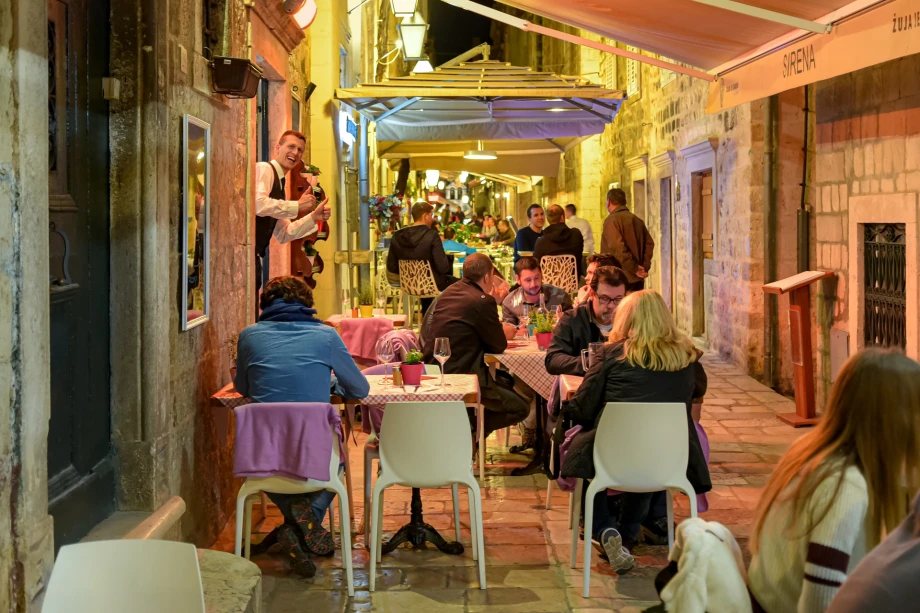
If you visit during high season, schedule the Old Town for early morning or late afternoon. Between, take a ferry to Lokrum Island, for example. The evening is when the Old Town comes alive for locals.
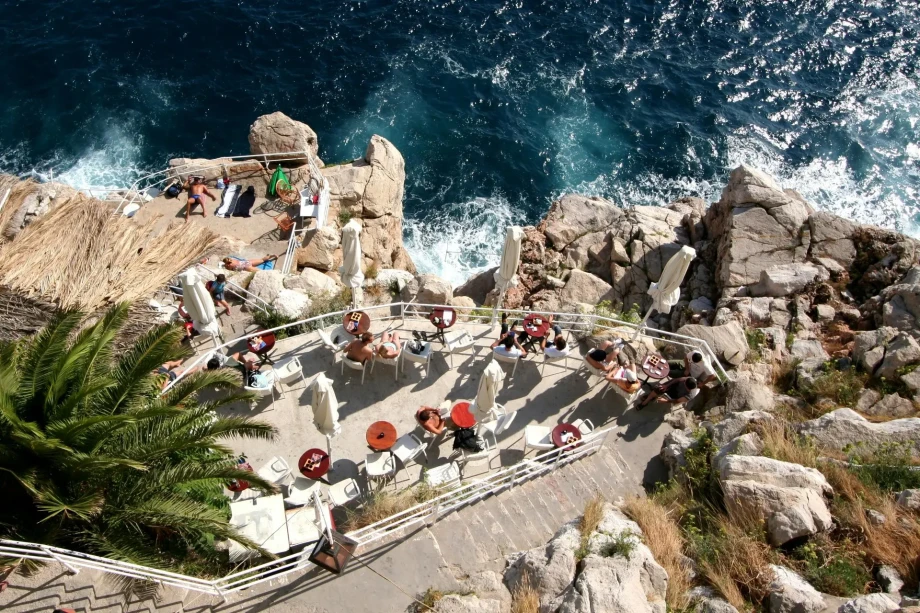
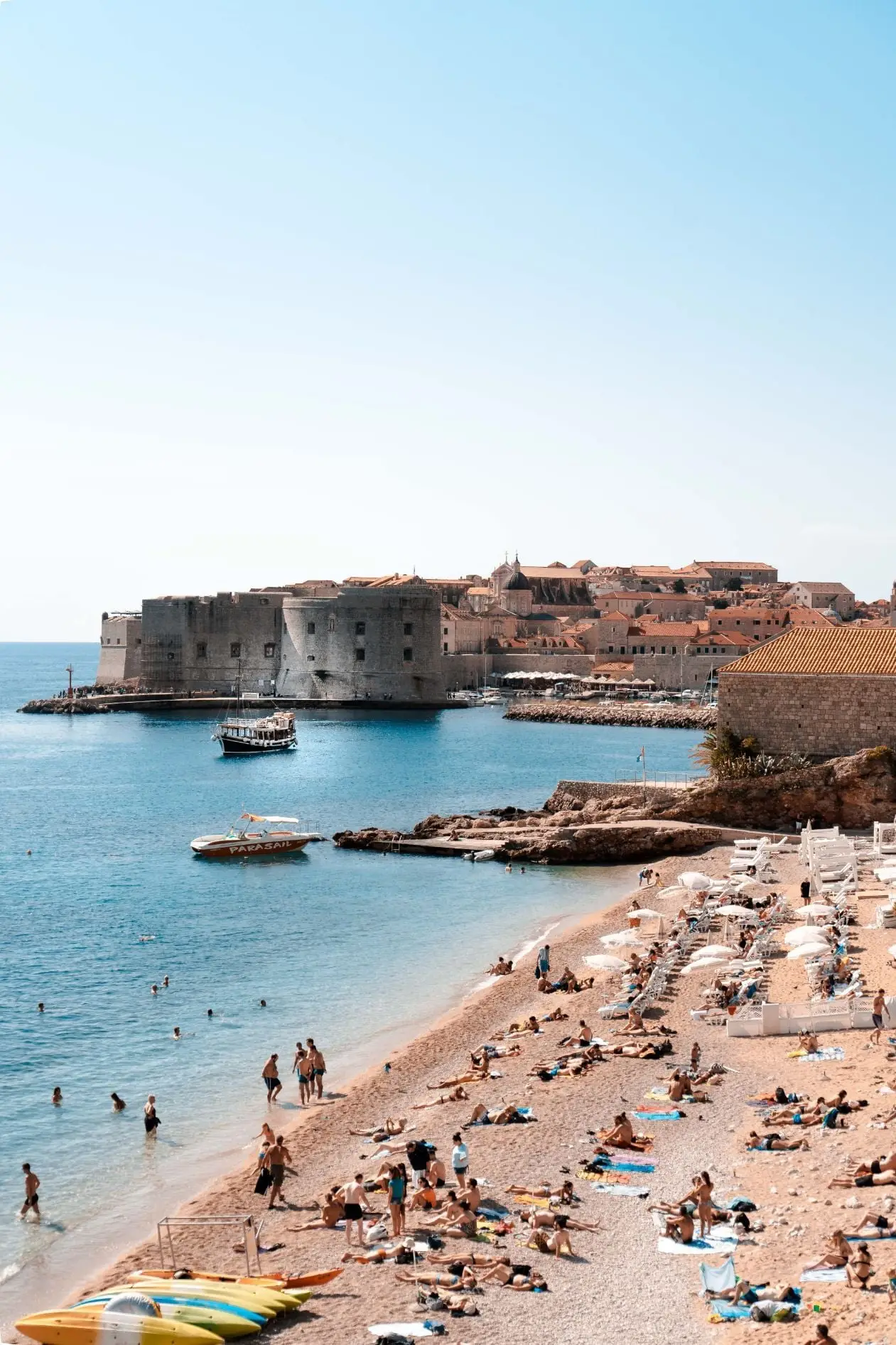 Banje Beach offer perfect seting, source
Autumn (September and October): The weather is still pleasant
Most Dubrovnik locals, myself included, will point you to the second half of September. The summer crowds thin out, and the heat drops to 22–26 °C. The sea remains warm enough for swimming. Cruise traffic drops noticeably after mid-September. It is the perfect time to visit Dubrovnik. By October, you'll have stretches of the Stradun nearly to yourself in the morning.
Harvest season starts in October. Local restaurants feature fresh olive oil, seasonal fish, and early-press wines from the Peljesac Peninsula. Rain increases in October, but it usually comes in short, heavy bursts. You may get a downpour in the afternoon, followed by a clear evening. Carry a light rain jacket, and you will be fine.
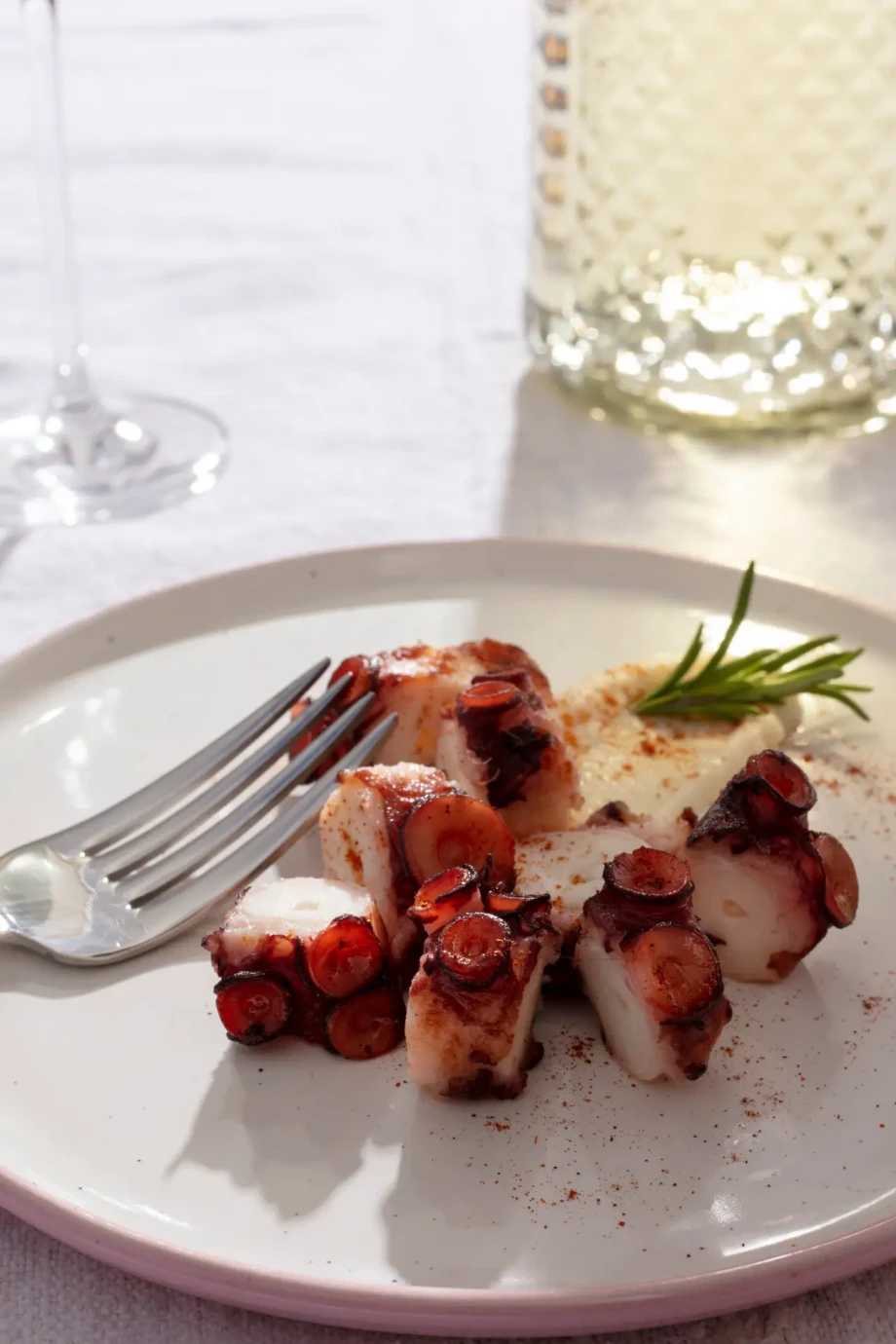
If you are a wine lover, October is the month to drive up to Pelješac. The grape harvest is wrapping up, wineries are in full swing, and tasting rooms are far less crowded than in summer. Pair it with oysters in Ston, a 45-minute drive from Dubrovnik. The Dingac and Postup vineyards produce some of Croatia's strongest reds. Winemakers are usually happy to pour samples and discuss the harvest.
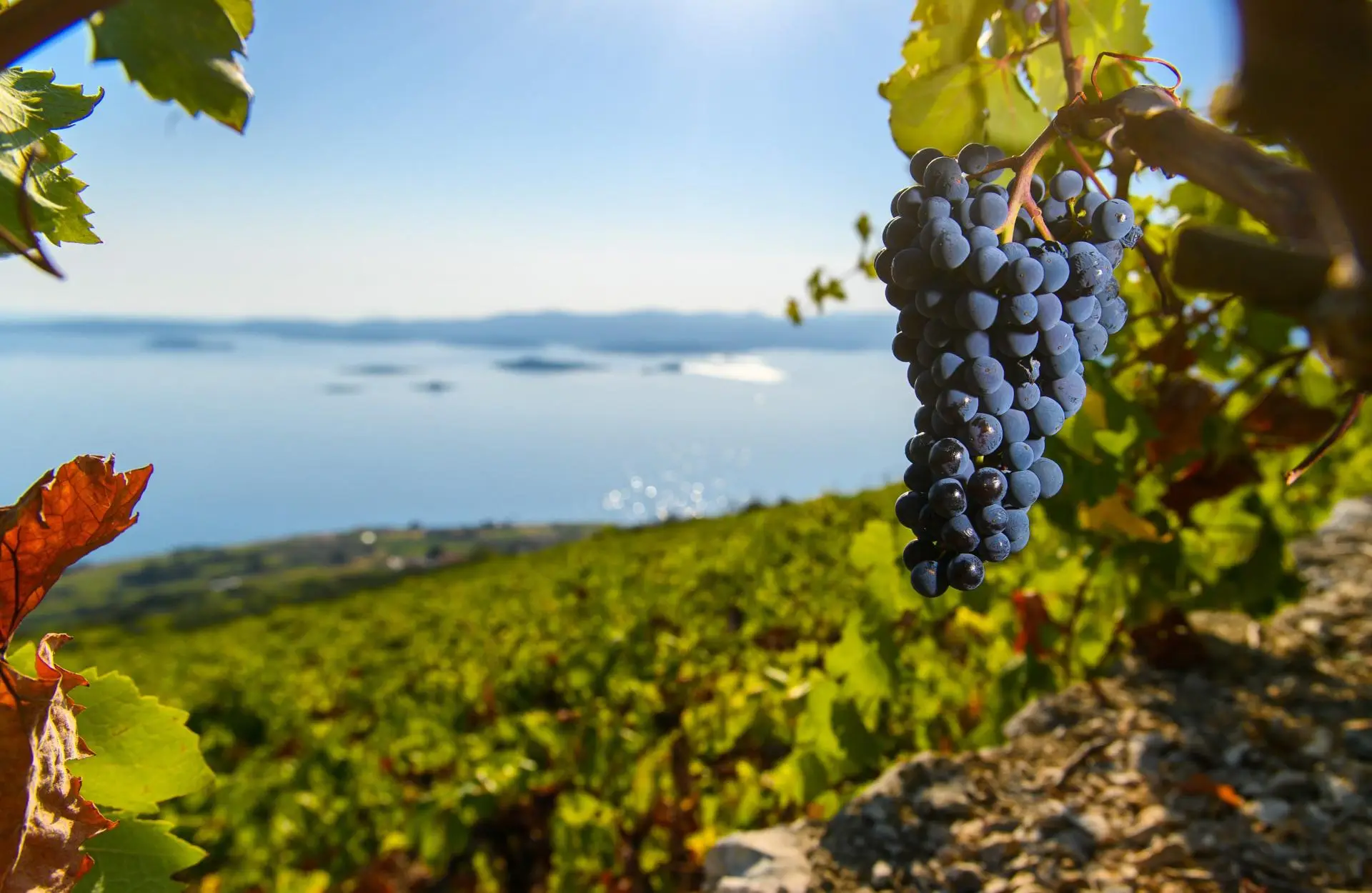 October is ideal for wine lovers, source
Winter (November–February): Low season
Winter will suit travelers who want Dubrovnik without the tourism machine. Most visitors are gone, many restaurants and shops close for the season, and the city returns to its residents. The trade-off is cooler weather, more rain, and shorter days. Accommodation prices drop to their lowest, 60–70% less than summer rates.
The Dubrovnik Winter Festival lights up the Dubrovnik Old Town with markets, concerts, and decorations from late November through early January. The setting, with lights strung across the Stradun and mulled wine on the Rector's Palace steps, has its own appeal.
The biggest winter event is the Feast of St. Blaise on February 3. Dubrovnik's patron saint celebration has run continuously for over 1,050 years and is inscribed on UNESCO's Intangible Cultural Heritage list. Parish banner bearers in folk costumes process through the city, church bells ring, and white doves are released above the crowd. It's the one event I recommend to every visitor.
Carnival follows in late February, with parades and masked events around the Old Town.
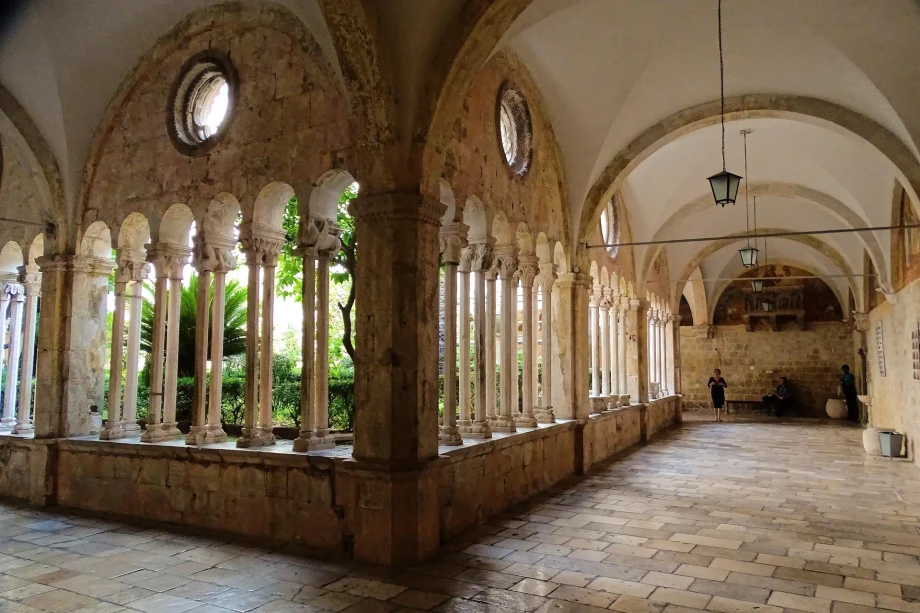
Winter is when you get the chance to see the real Dubrovnik. The morning fish market on Gundulićeva Poljana is packed with locals. Grab a coffee at one of the small bars. Or duck into the Dubrovnik Franciscan Monastery pharmacy, one of the oldest operating pharmacies in Europe, dating back to 1317.
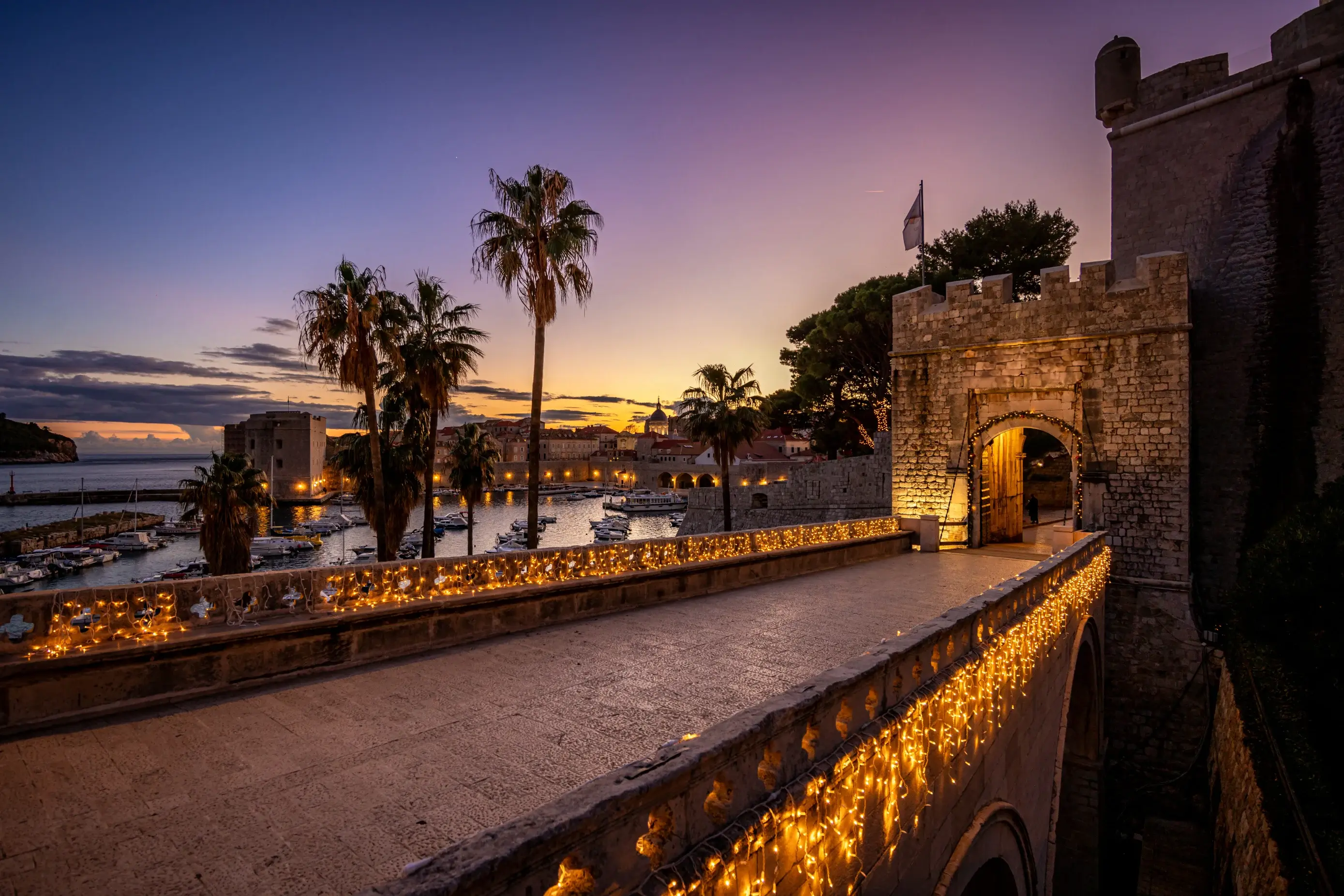 Festive season offers beautiful decorations scross the whole town, source by Julien Duval
Frequently Asked Questions
What is the best month to visit Dubrovnik?
For most travelers, late September offers the best combination. Warm weather, swimmable seas, thinning crowds, and reasonable prices. If you want guaranteed heat and don't mind crowds, June is the next pick.
Is Dubrovnik too crowded in summer?
July and August bring the heaviest foot traffic. Especially between 9 am and 3 pm when cruise ships are docked. Early morning and late afternoon visits help significantly.
Can you swim in Dubrovnik in May?
The sea temperature in May averages around 19 °C. Some people swim at that temperature, but most find it too cold for a relaxed dip. June (22 °C) is when beach season starts in earnest.
What is there to do in Dubrovnik in winter?
Winter offers the Dubrovnik Winter Festival (late November–January), the Feast of St. Blaise in early February, and Carnival in late February. Beyond events, it's a good time for day trips to Ston, Cavtat, and Pelješac without crowds. Check our full list of things to do in Dubrovnik for year-round activity ideas.
How many days do you need in Dubrovnik?
Three to four full days are enough to cover the Old Town, City Walls, Lokrum Island, and a day trip (Pelješac, Ston, or Konavle). If you want to add Mljet National Park or Elaphiti Islands, plan for five to six days.