Each year, Dubrovnik, Croatia, draws over a million visitors. Many of them choose a private accommodation over a hotel. It makes sense: you get more space, a kitchen, and, if you pick well, a terrace with a view that would cost three times as much in a luxury hotel. But picking well is the hard part.
Table of contents
Choosing a Place to Stay in Dubrovnik
Dubrovnik is set on steep limestone hills. Listings can be misleading, so it is good to know all the neighborhoods of Dubrovnik. That way, you can easily decide the best place to stay for your holidays.
In this accommodation guide, you will find out what matters when choosing accommodation in Dubrovnik. Neighbourhood trade-offs, budget realities, and common visitor mistakes every summer.
If you are visiting Dubrovnik for the first time, start with our comprehensive Dubrovnik trip-planning guide to see everything the city has to offer.
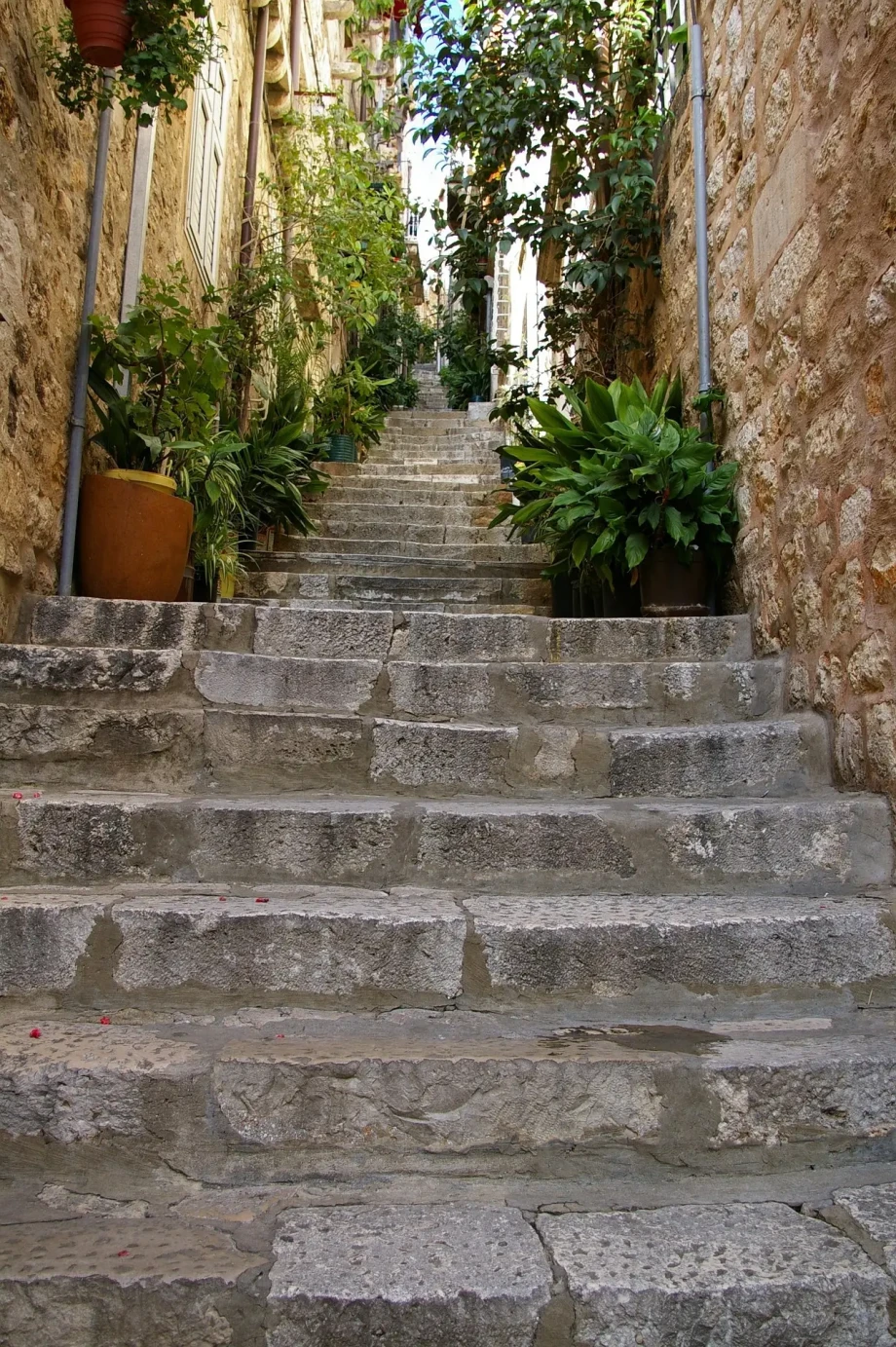
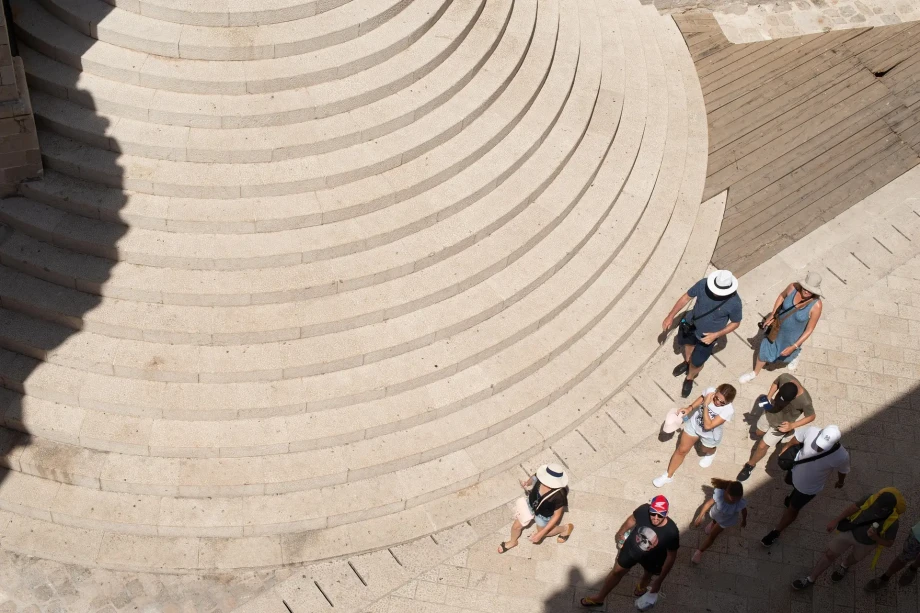
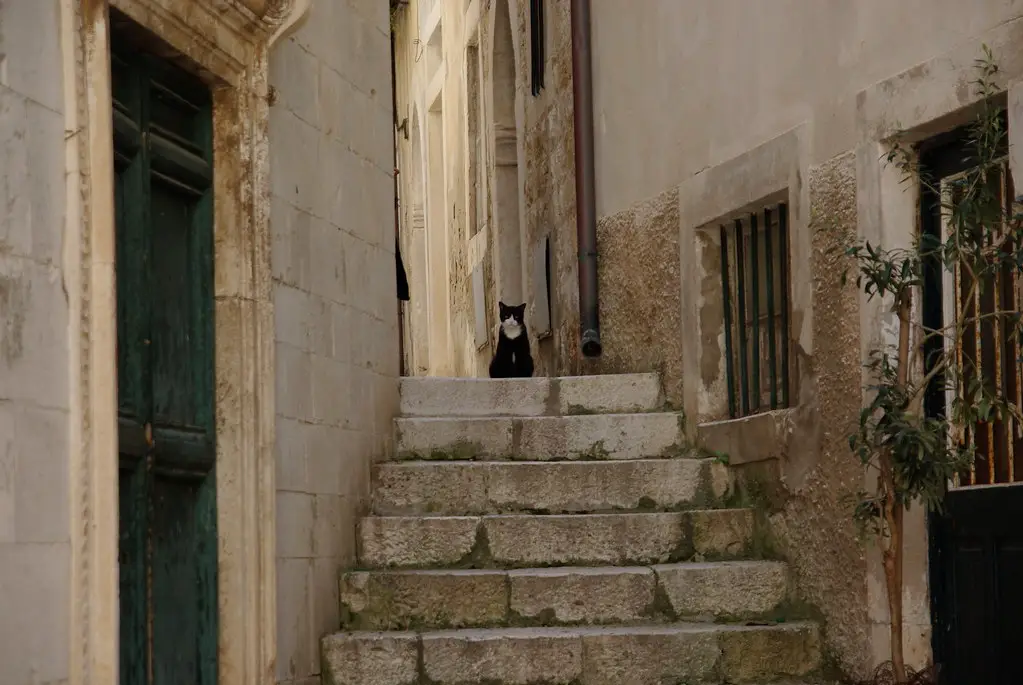 Dubrovnik has a lot of steps
Best Areas To Stay in Dubrovnik
Dubrovnik, Croatia, is compact, and each area has a different character. Accommodation in Dubrovnik can get limited, especially during high season. Here are all the neighborhoods Dubrovnik offers, along with their pros and cons.
1. Dubrovnik Old Town - Heart of Dubrovnik
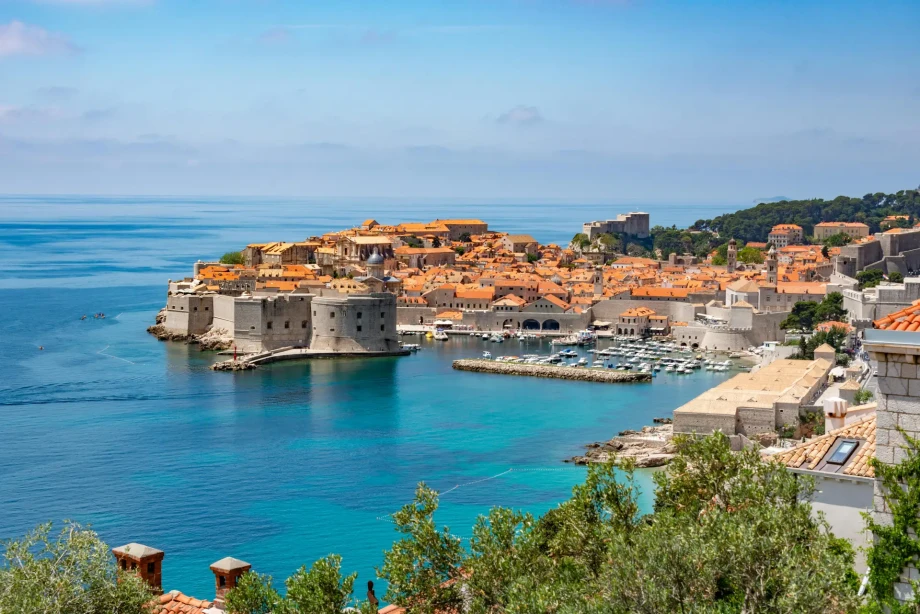
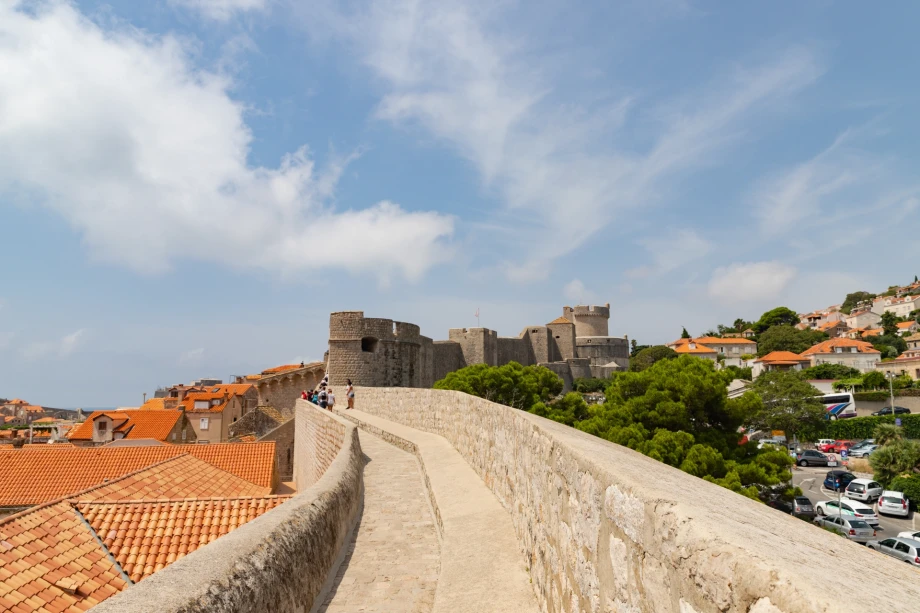
Inside the city walls, you won't find hotels. Only apartments carved into centuries-old stone buildings. These tend to be small and accessed by narrow stairways. The main street, Stradun, is flat and step-free, but almost every side street climbs steeply.
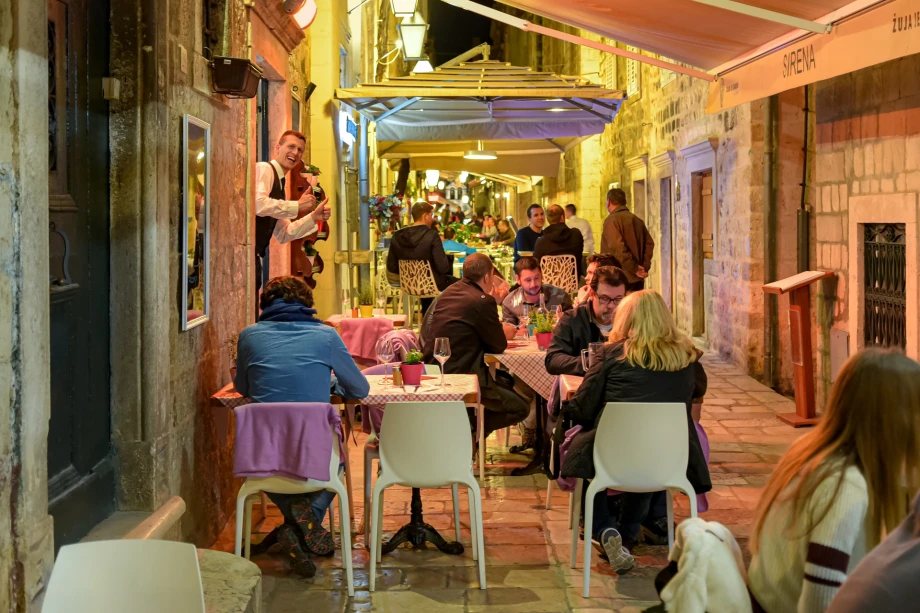
Noise is a factor, too. Restaurants and bars along Stradun keep the area lively until late. If you don't mind those factors, you will have immediate access to the Old Town and historic sites.
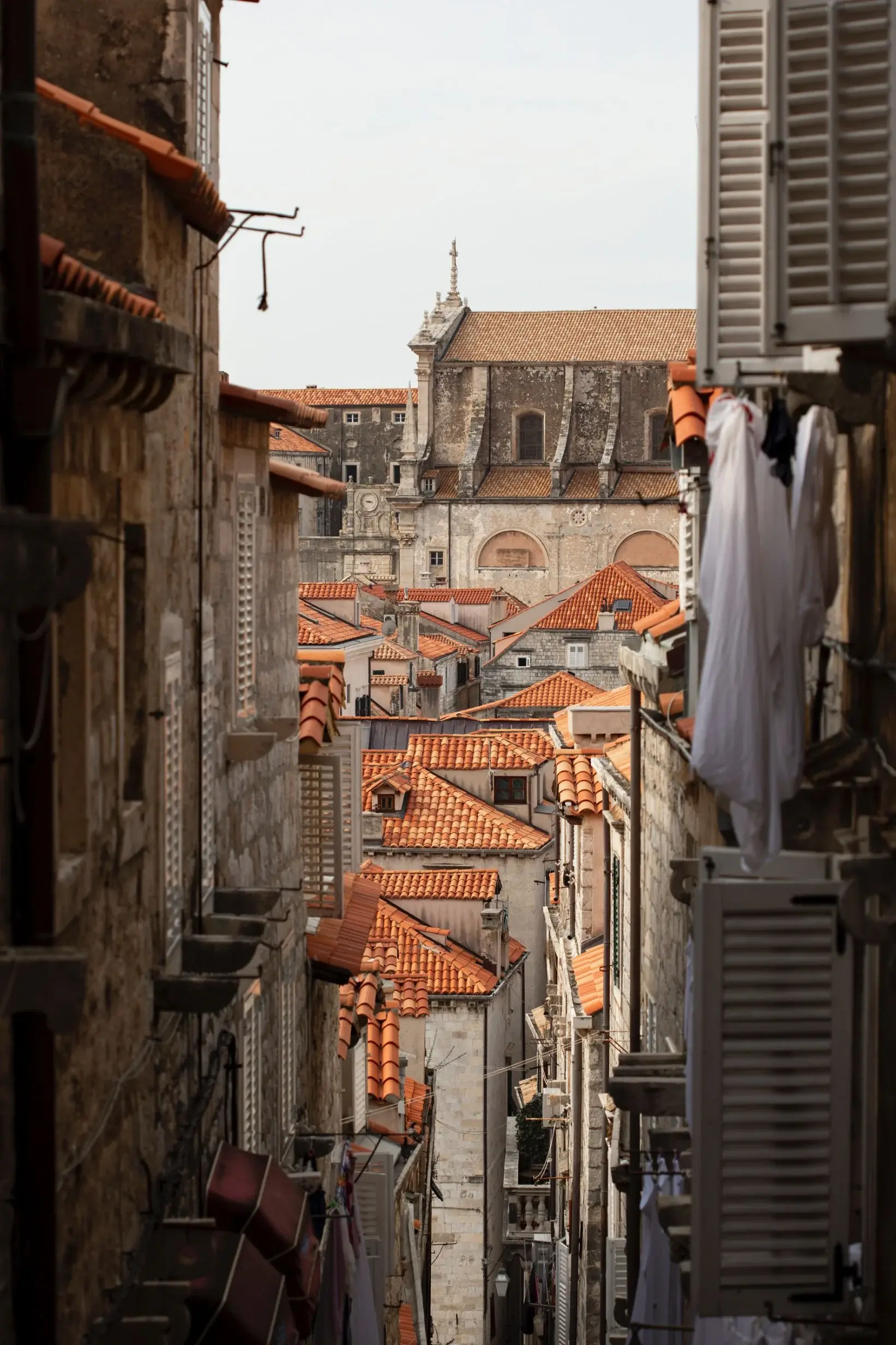 Dubrovnik's old houses roofs, source
Ploce - Close to the Old Town Dubrovnik
This area in Dubrovnik is the hillside neighbourhood east of Old Town. Many properties sit elevated, with panoramic views of the Adriatic and Lokrum Island, but also steep walks home.
It is around a ten-minute walk to the Ploce Gate. Ploce has some of the city's top restaurants and beach bars at Banje Beach. But you can expect a calmer evening atmosphere while still being close to the Old Town.
Lapad and Babin Kuk - Best Luxury Hotels in Dubrovnik
Lapad is flatter, greener, and family-friendly. Uvala Lapad beach is sandy enough for small children. Babin Kuk has Copacabana Beach and resort-style properties with private beaches.
The Libertas bus connects Lapad to Pile Gate in 10 minutes. It runs frequently until around midnight in summer. So, if you are looking for a family stay or immediate beach access, these two areas of Dubrovnik might be the best.
Gruz - Travelling on a Budget
Gruz is the port neighbourhood where ferries depart for the Elaphite Islands. The main open market is located there, too. Accommodation here is cheaper than in other parts of Dubrovnik. It is surrounded by local bakeries and grocery shops, rather than souvenir stores.
The trade-off is a 25-minute bus ride or about a 30-minute walk to Old Town. If you are traveling on a budget, Gruz is your place.
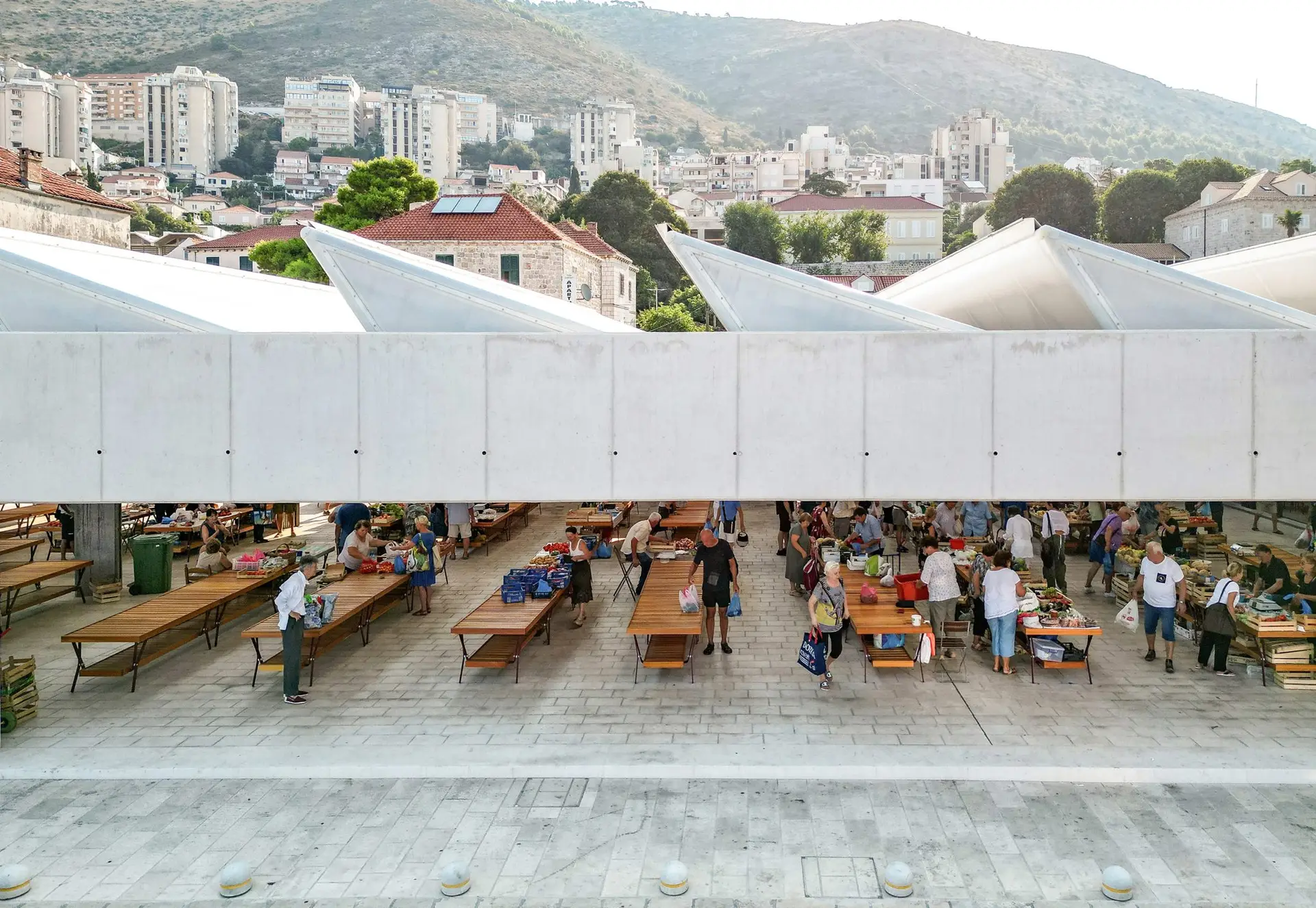 Market Gruz in Dubrovnik, source
Outside Dubrovnik - Cavtat or Zaton
If you rent a car, villages like Cavtat or Zaton offer lower prices, villas with private pools, and a calmer pace. Cavtat has its own harbour promenade, restaurants, and boat connections to Dubrovnik.
Prices can be 30–50% lower for comparable quality.
When to Book and What to Expect on Price
Peak season in Dubrovnik runs from mid-June through early September. During July and August, hotels and villas with pools are fully booked months in advance. Reserve at least 4 to 6 months in advance for summer.
Here is a rough pricing guide based on what we see across our own portfolio:
Table No.1: Comparison of prices by accommodation type and season:
|
|
|
|
| Type of accommodation | Shoulder season | Peak season |
| Studio / 1-bed apartment | €80–€150 per night | €130–€250 per night |
| 2-bed apartment with sea view | €120–€220 per night | €200–€400 per night |
| Villa with pool (3+ beds) | €250–€500 per night | €500–€1,200+ per night |
Prices in Dubrovnik fluctuate dramatically by season. Peak rates can be 50–100% higher than shoulder season for the same property. Shoulder months (April–May, September–October) are the sweet spot with warm weather, fewer crowds, and more reasonable pricing.
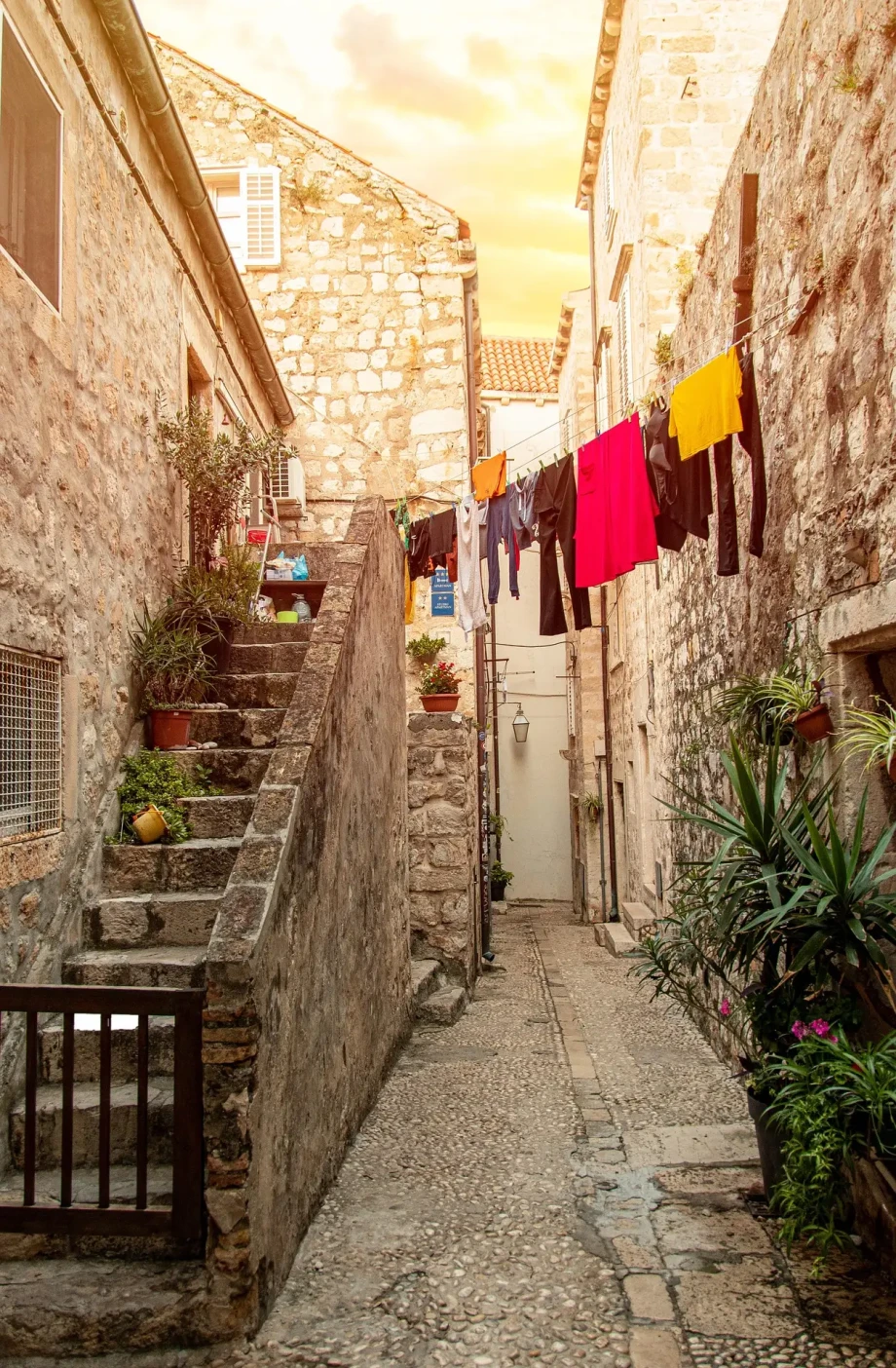
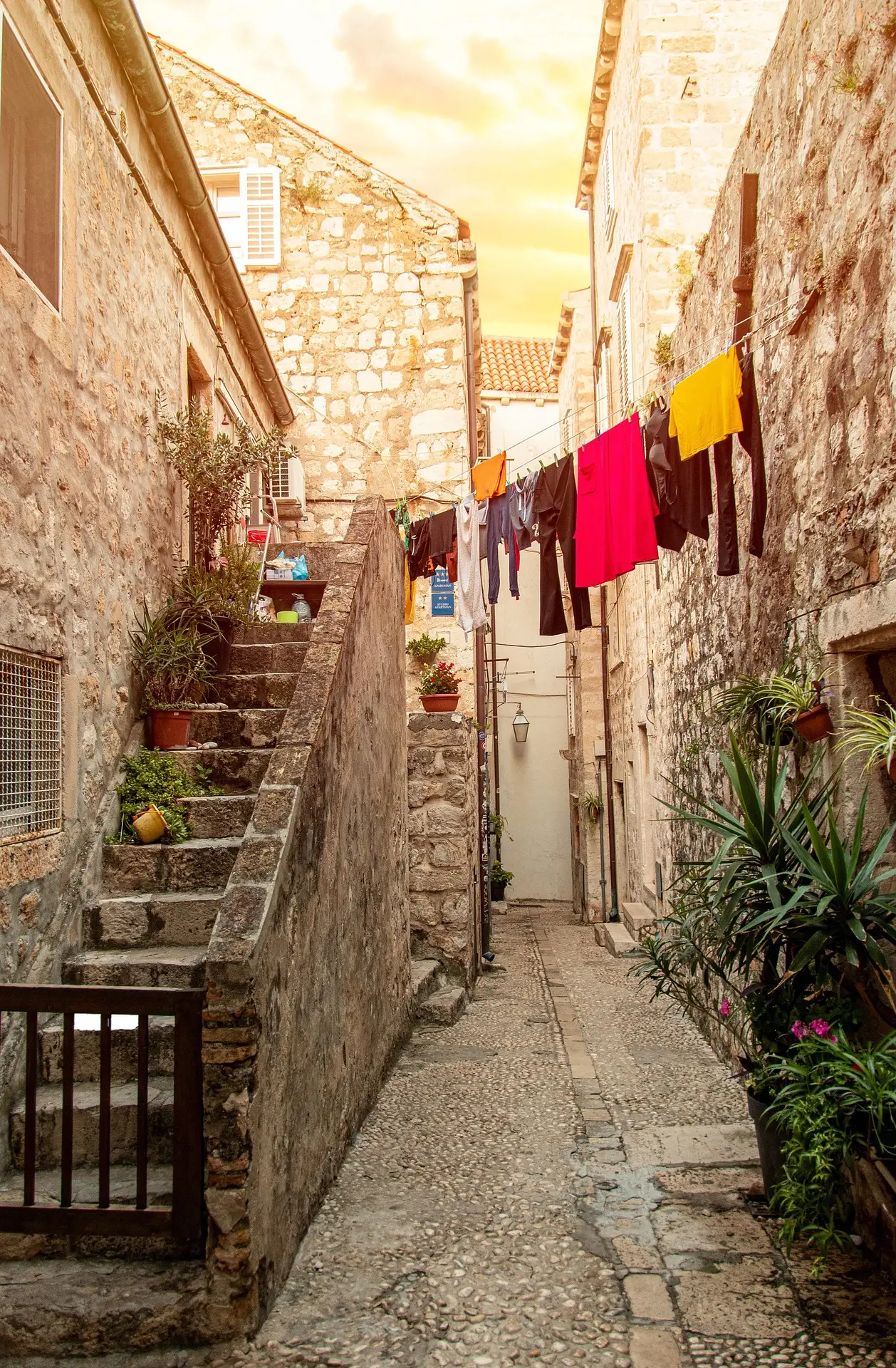 Typical Dubrovnik house in Old Town
The Tourist Tax You Need to Budget For
Since 2025, Croatia has updated its sojourn tax structure. In Dubrovnik, the rate is €2.65 per person per night from April through September and €1.85 per night for the rest of the year. Children under 12 are exempt, and those aged 12–18 pay half. Your host or agency should register you through the eVisitor system on arrival. This is a legal requirement.
How to Spot a Reliable Listing (and Avoid Tourist Traps)
After two decades in this business, I can tell you the most common problems guests run into:
- The "500 metres from Old Town" trick. Dubrovnik is built on hills. A listing 500 m from the Pile Gate might involve a steep climb of over 150 stairs. Always ask the host for the exact walking route and whether there are steps. Google Street View does not cover every alley, so request a short video or photo of the path from the property to the nearest gate.
- Misleading photos. Some listings use wide-angle lenses that make 25 m² studios look like suites. Ask for the exact square footage.
- No air conditioning. Dubrovnik summers regularly reach 30–35°C. Air conditioning is not a luxury here. It is a necessity. Confirm it is present and functional before you book.
- Unlicensed properties. Fines for non-compliant properties range from €2,000 to €10,000. An unlicensed property can mean problems for guests, too. If there is no official registration, then there is no insurance, and no recourse if something goes wrong. Always check that your host provides a registration confirmation.
- Parking is not included. Street parking in central Dubrovnik is scarce and expensive, up to €10–€12 per hour in summer. If you rent a car, confirm the property has a parking space or ask your host about affordable garage options.
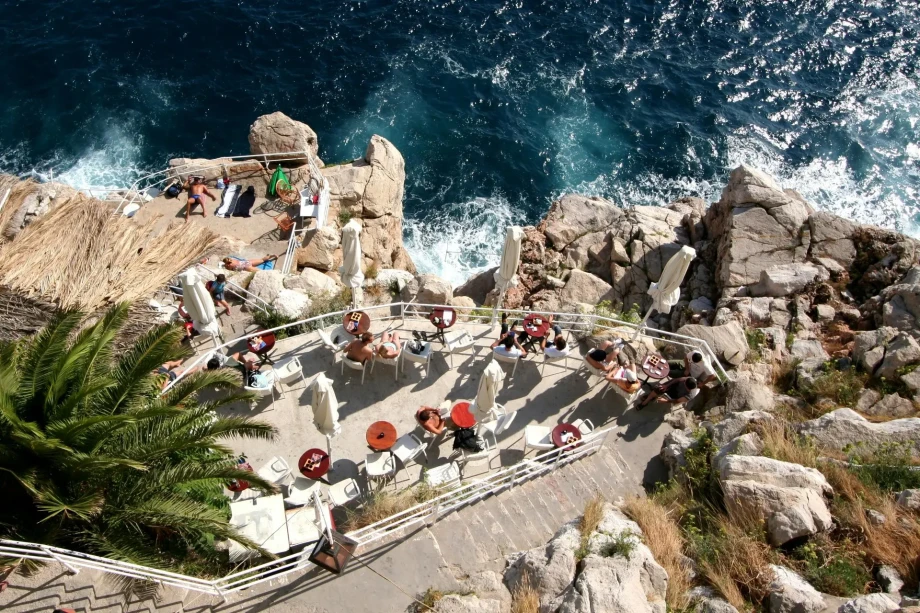
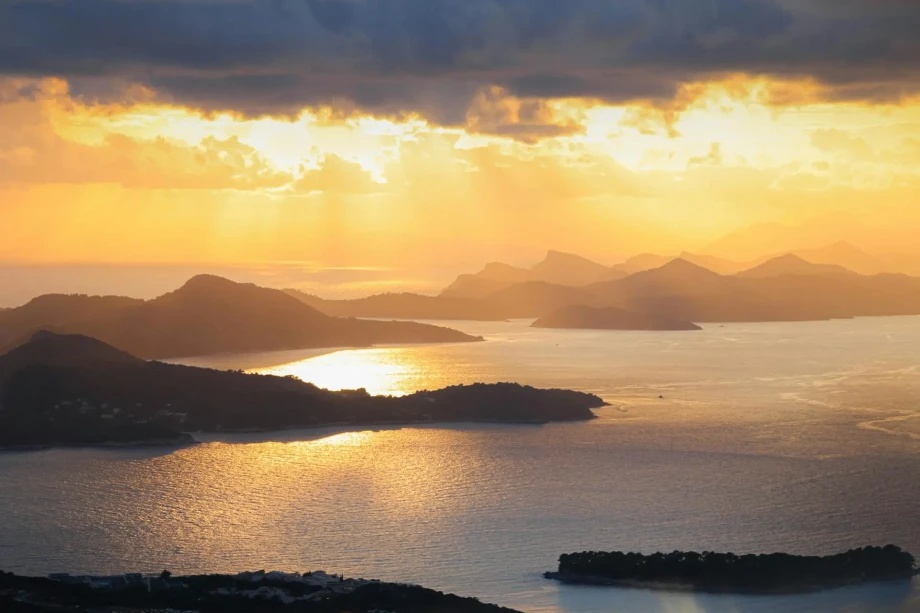
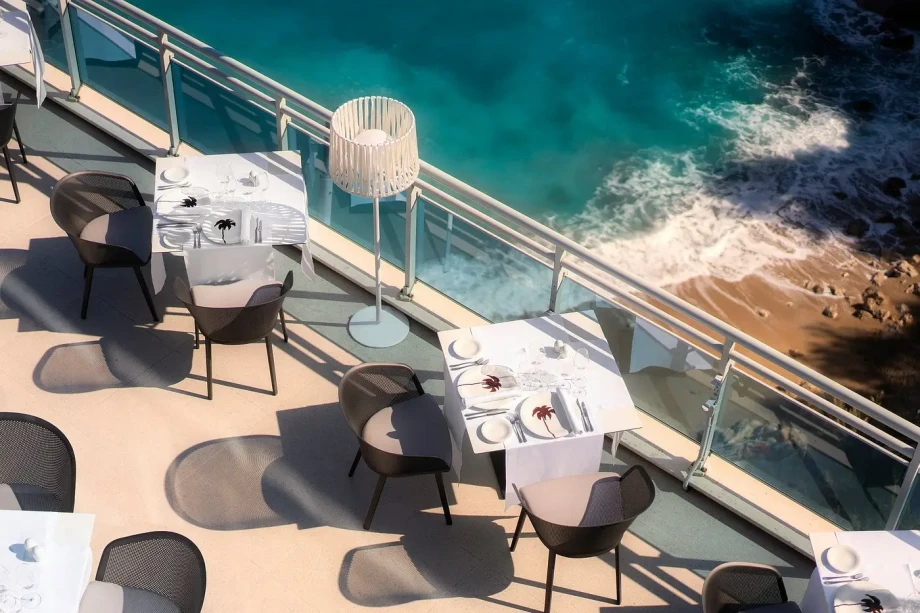
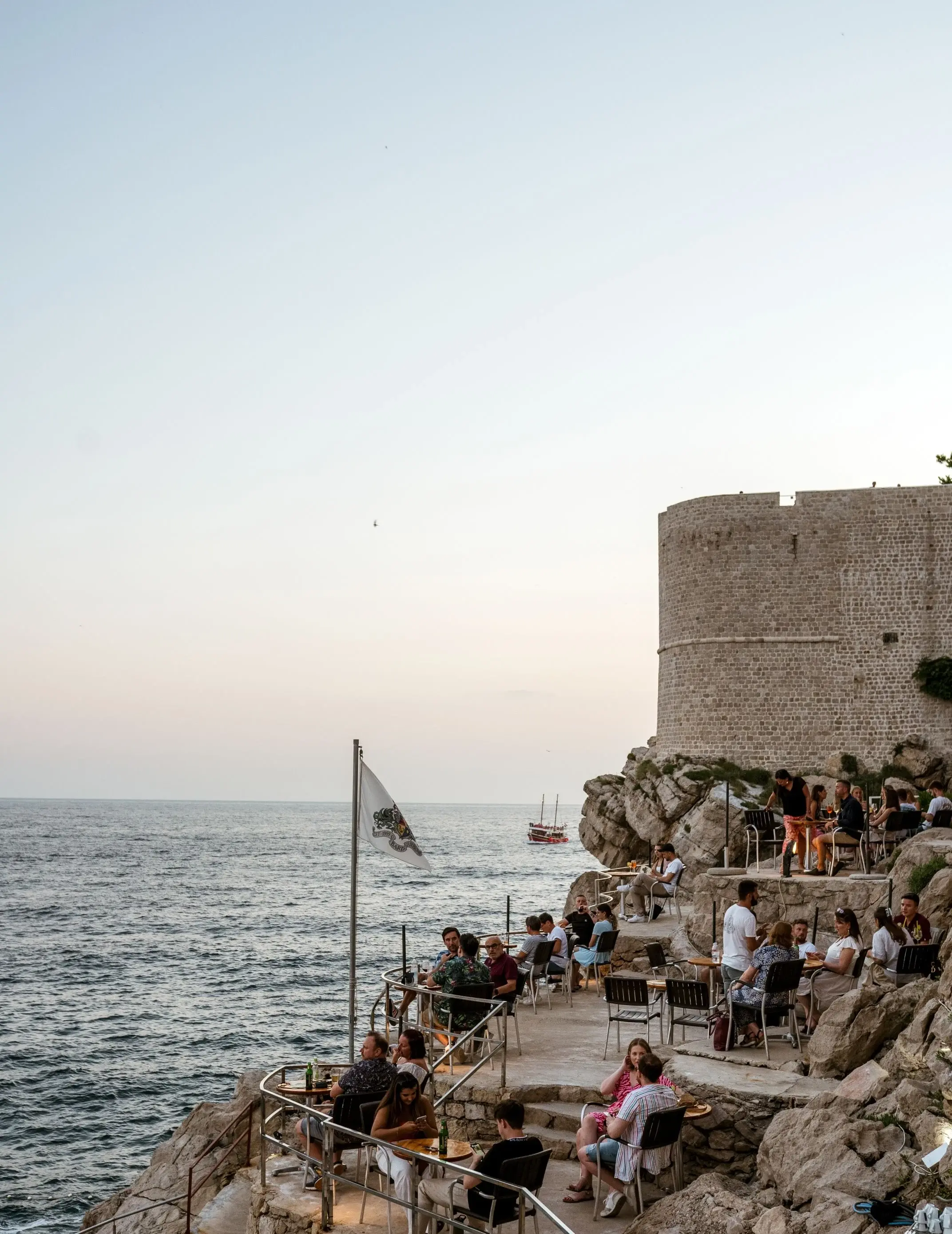 Imagine having a drink with this view - only in Dubrovnik
What to Look for in the Listing
Beyond the basics, here are the details that separate a good Dubrovnik stay from a frustrating one:
- Wi-Fi speed. Remote workers visiting Dubrovnik should ask for a speed test screenshot. Older stone buildings in Old Town can have weak signals.
- Washing machine. Essential for stays of a week or more. Many Dubrovnik apartments include one, but not all listings mention it.
- Transfer from the airport. Dubrovnik Airport (DBV) is located 22 km from the city centre. If your host does not arrange a pickup, you can book an airport transfer in advance. Taxis at the airport are metered. Having a fixed-price transfer waiting reduces stress after a flight.
Frequently Asked Questions
Is it better to stay in a Dubrovnik villa or a 5-star hotel?
It depends on your priorities. Villas and apartments give you more space, a kitchen, and often a private pool or terrace. Prices are typically lower per person than hotel prices. Hotels offer daily housekeeping, reception desks, and on-site dining. For families and groups of four or more, a self-catered rental almost always provides better value.
What is the best area to rent an apartment in Dubrovnik?
For first-time visitors who want walkable access to Old Town, Ploce and Pile strike the best balance of proximity and calm. Families tend to prefer Lapad for its beaches and flat terrain. If budget is your priority, Gruz and villages like Cavtat offer lower rates.
How far in advance should I book Dubrovnik accommodation?
For peak season, four to six months ahead is the minimum for quality properties. Shoulder season is more forgiving - one to two months is usually enough.
Do I need a car if I stay in a villa outside Dubrovnik?
In places like Cavtat or Zaton, a car makes grocery runs and day trips easier. Within the city itself, a car is more of a hassle than help — parking is expensive and Old Town is entirely pedestrianised.
What is the tourist tax in Dubrovnik?
As of 2026, it is €2.65 per person per night during April–September and €1.85 for the rest of the year. Children under 12 are exempt. Your host or agency handles the registration.