I've lived in Dubrovnik, Croatia, my entire life. And after more than 20 years in tourism, I can tell you one thing with certainty: when you visit matters.
Table of contents
When is the best time to visit Dubrovnik?
The difference between a summer trip and a winter trip is enormous. Let me walk you through our seasonal guide. If you're still in the early stages, check out our full Dubrovnik trip planning guide before diving in here.
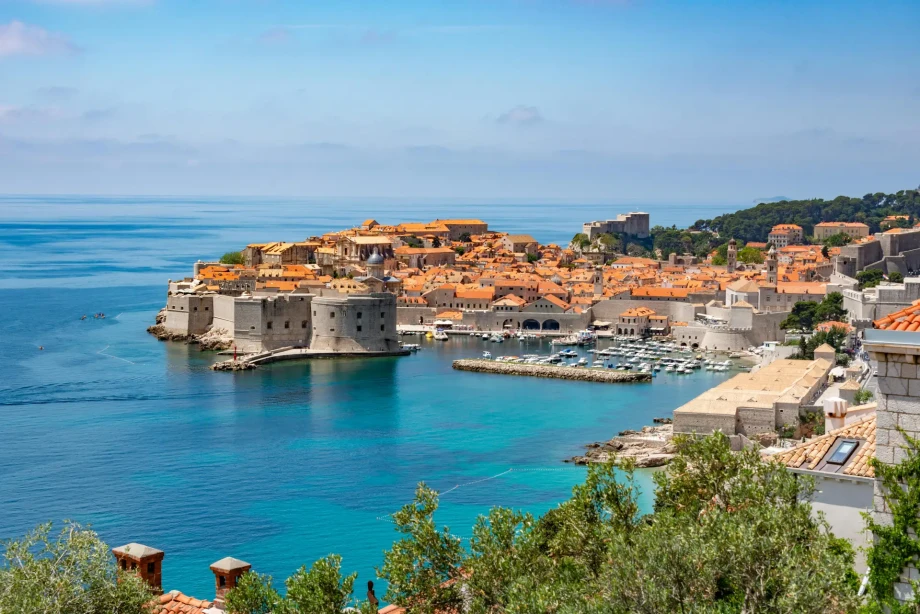
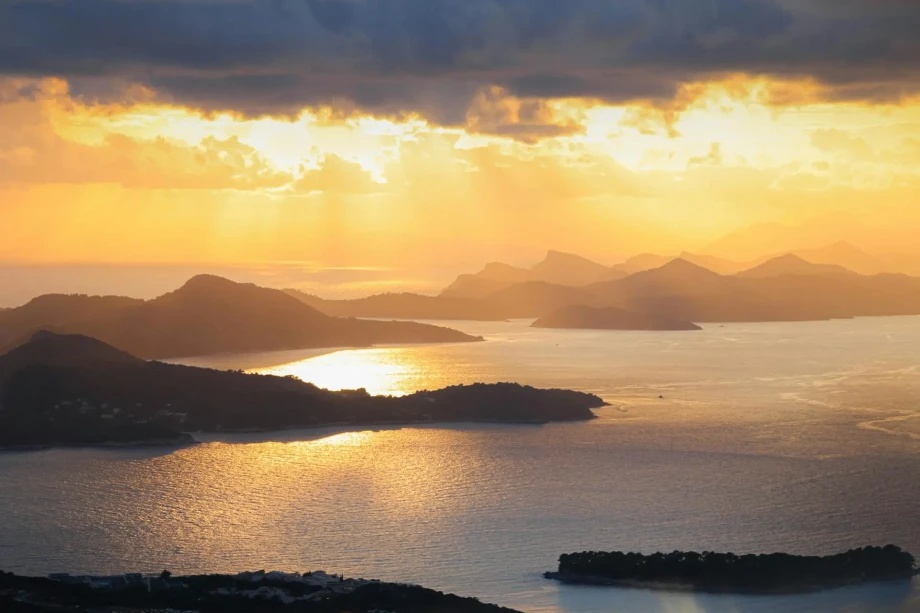
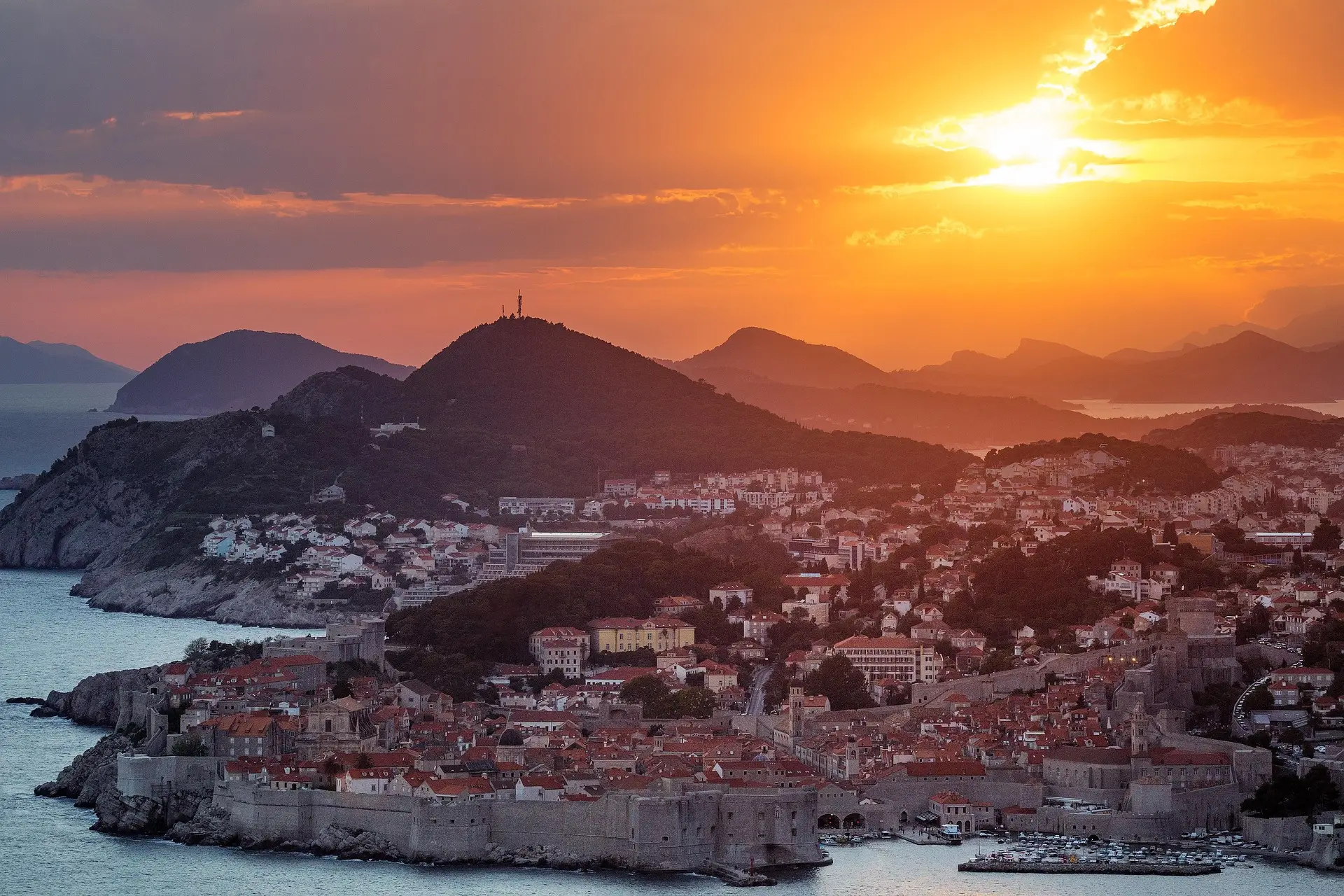 Sunsets in Dubrovnik are beautiful
Spring in Dubrovnik (March–May): Explore Dubrovnik Attractions
Spring is when Dubrovnik starts to wake up. The Old Town begins to fill with the scent of blooming wisteria, as bars and restaurants open their terraces.
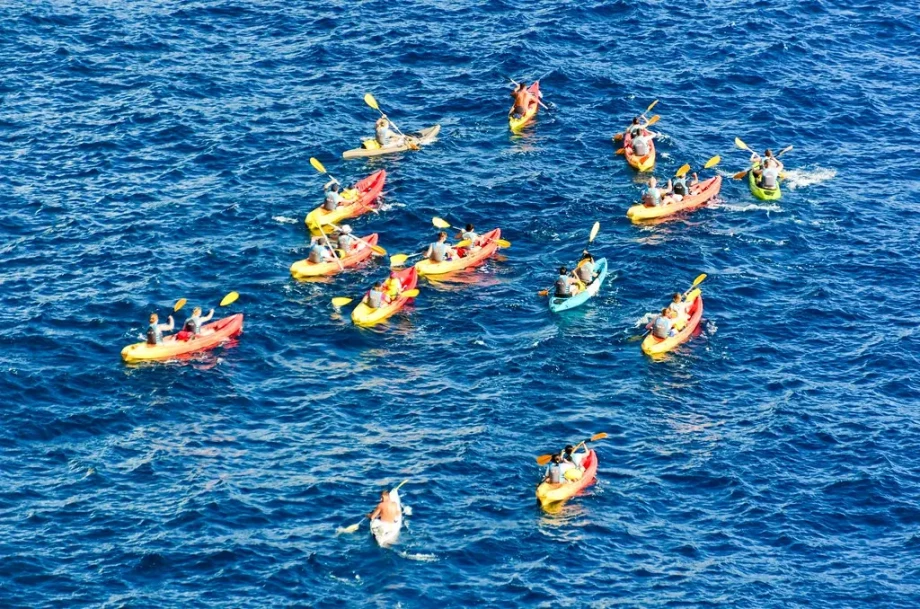
Weather: In March, it can be a little cool, with average temperatures around 15°C and frequent rain. Expect temperatures to increase to comfortable levels of 21–22°C by May. By then, most people have started wearing short sleeves. The sea temperature in May is around 18–19°C. It is still cold for swimming (not for the brave ones), but fine for kayaking and boat trips.
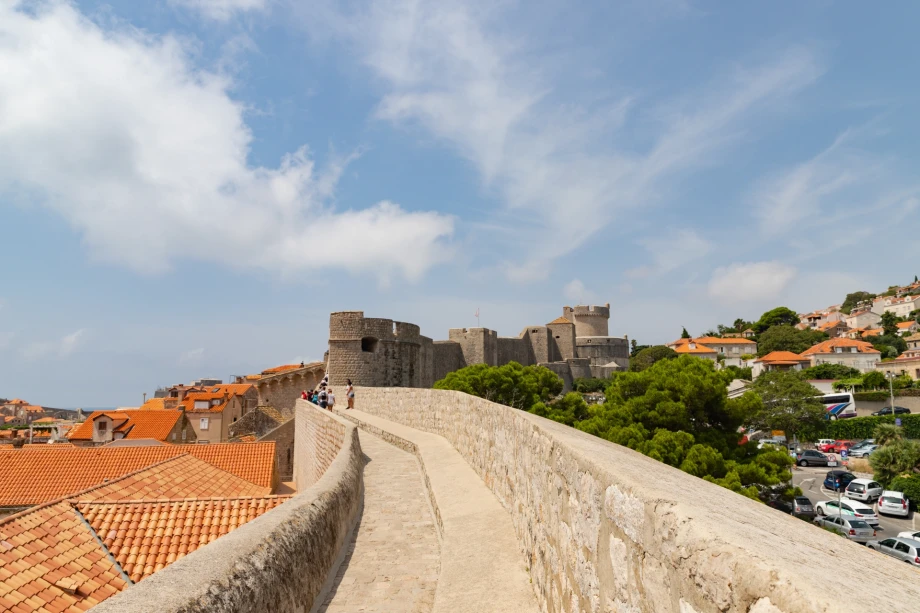
Crowds: In May, visitor numbers are about half those in July. It is the perfect time to walk the city walls without queuing, generally for sightseeing. In 2026, Dubrovnik introduces a timed-entry reservation system for the city walls and museums. Booking in advance through the Dubrovnik Pass (€40/day) is now required.
Events: The Mediterranean Fair typically runs in mid-March. It showcases local food, herbs, and green products. It's small-scale but gives you a real feel for the region's agricultural roots.
Many excursions and walking tours start running from April onward. Shoulder season is also a great time to add cultural exploration to your itinerary.
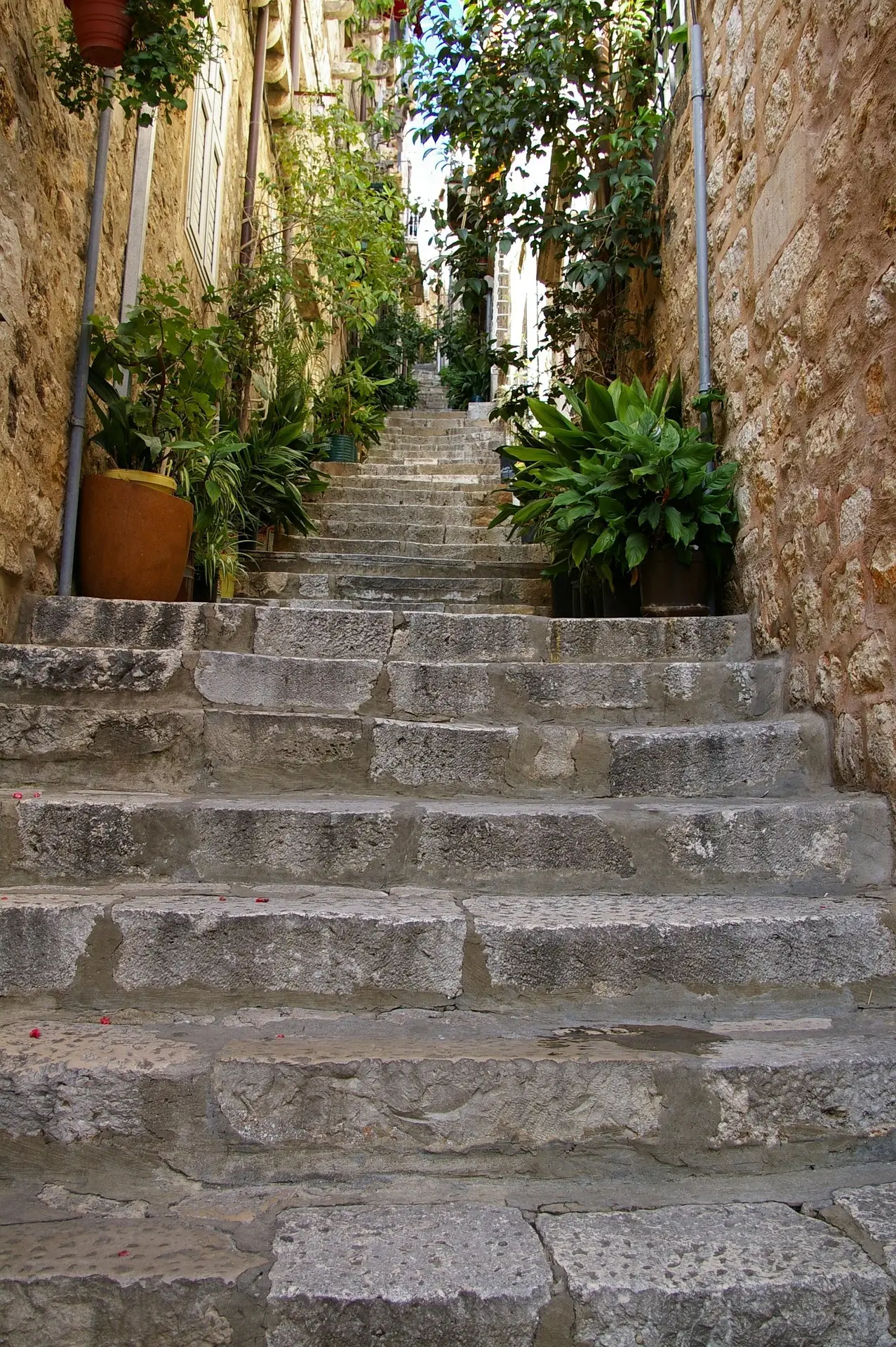 Spring is the best time for sightseeing
Summer in Dubrovnik (June–August): Peak Season in Full Swing
This is the Dubrovnik most people picture - blue skies, packed beaches, and streets buzzing until midnight. It's undeniably beautiful, but it demands preparation.
Weather: In June, you can expect averages around 26°C, while the sea temperatures go up to 22 °C. Given the pleasant Mediterranean temperatures, June is great for both sightseeing and swimming. July and August reach 28–30°C, so it can get really hot during high season. Sea temperatures reach 25–26°C in August, making it prime swimming season.
Crowds: Dubrovnik hosts up to 10,000 tourists per day during peak summer, so the crowds can get intense. If you are visiting in July or August, go to the walls first thing in the morning, as queues build up fast by 10 am.
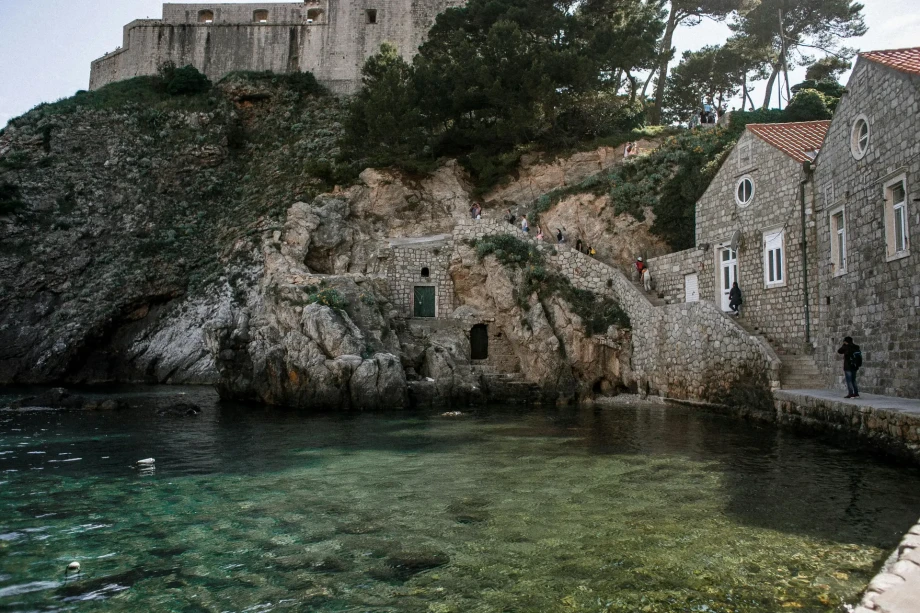
Events: The 77th Dubrovnik Summer Festival will run from July 10 to August 25, 2026. This is a cultural highlight, featuring theatre, opera, and classical music performed in open-air settings such as Fort Lovrijenac and the Rector's Palace. Book tickets early as popular performances sell out weeks in advance.
If you're set on a summer visit, early June can be a better option. Crowds are lighter than during peak season, and prices are 20–30% lower. If you are still searching for accommodation, browse our collection of Dubrovnik apartments.
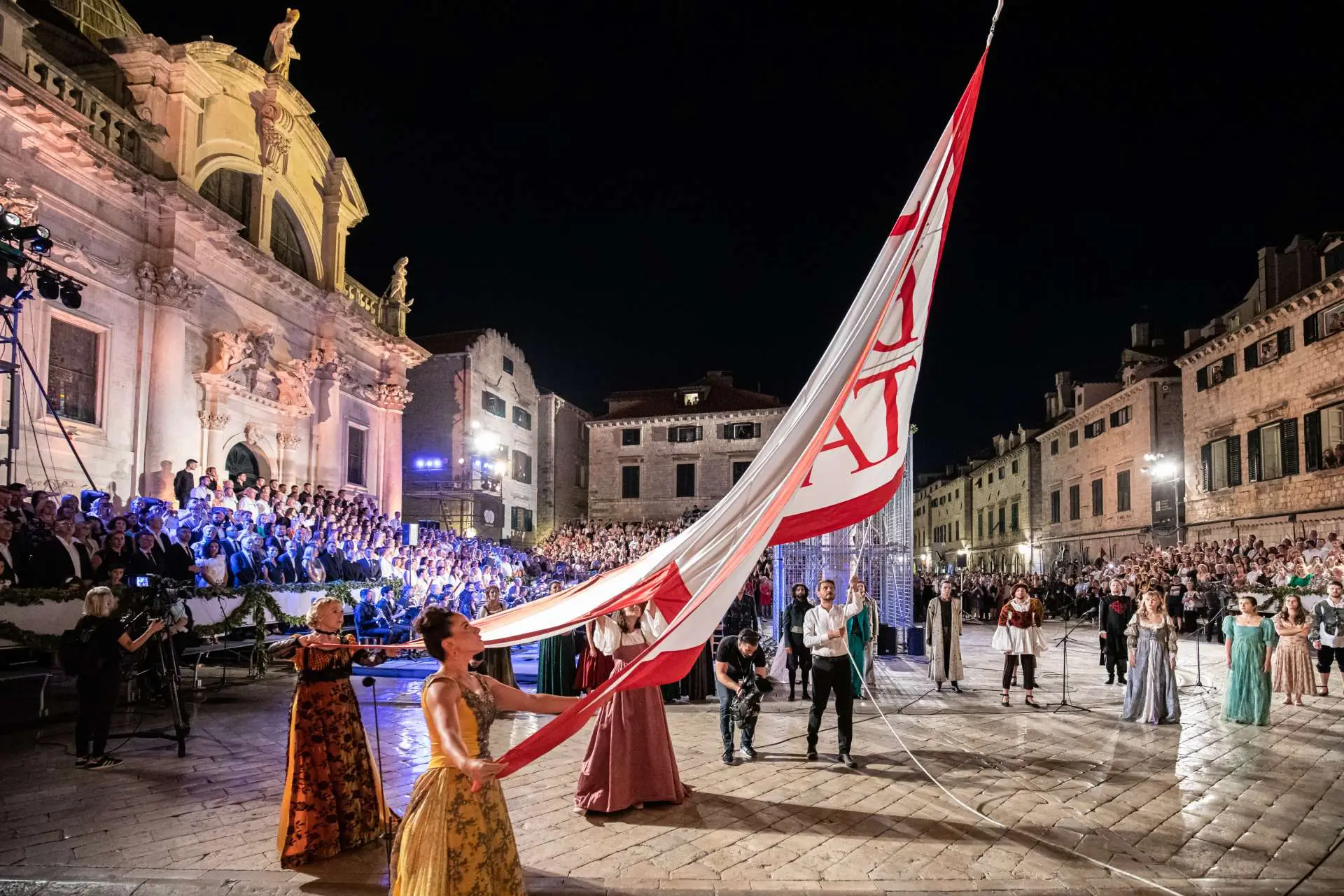 Dubrovnik Summer festival opening ceremony, image via: source
Dubrovnik Autumn (September and October): Arguably the Best Window
If we had to recommend one period to someone who's never been here, it would be mid-September through mid-October. The crowds are thin, and the Adriatic sea is still warm.
Weather: September averages around 25°C during the day with sea temperatures about 24°C. This is the best time to enjoy Dubrovnik as the temperatures are pleasant and the sea is still swimmable. As October approaches, both air and sea temperatures cool. You can expect rainfall to increase in late October, but you still get plenty of sunny days.
Crowds: In early September, visitors drop sharply. By October, the Old Town is at a fraction of its summer capacity.
Events: The Good Food Festival runs from October 5–18, 2026. It is a celebration of Dalmatian cuisine, local wine, and olive oil. The nearby Peljesac Peninsula is at its best during the grape harvest season. If you are a wine lover, we offer day trips to Pelješac that offer wine tasting
Because of the weather conditions, September is ideal for exploring nearby islands. We recommend booking in advance to secure your spot. For more information, see our offerings of island tours, such as the Three Islands Cruise Dubrovnik, or a Private speed boat tour.
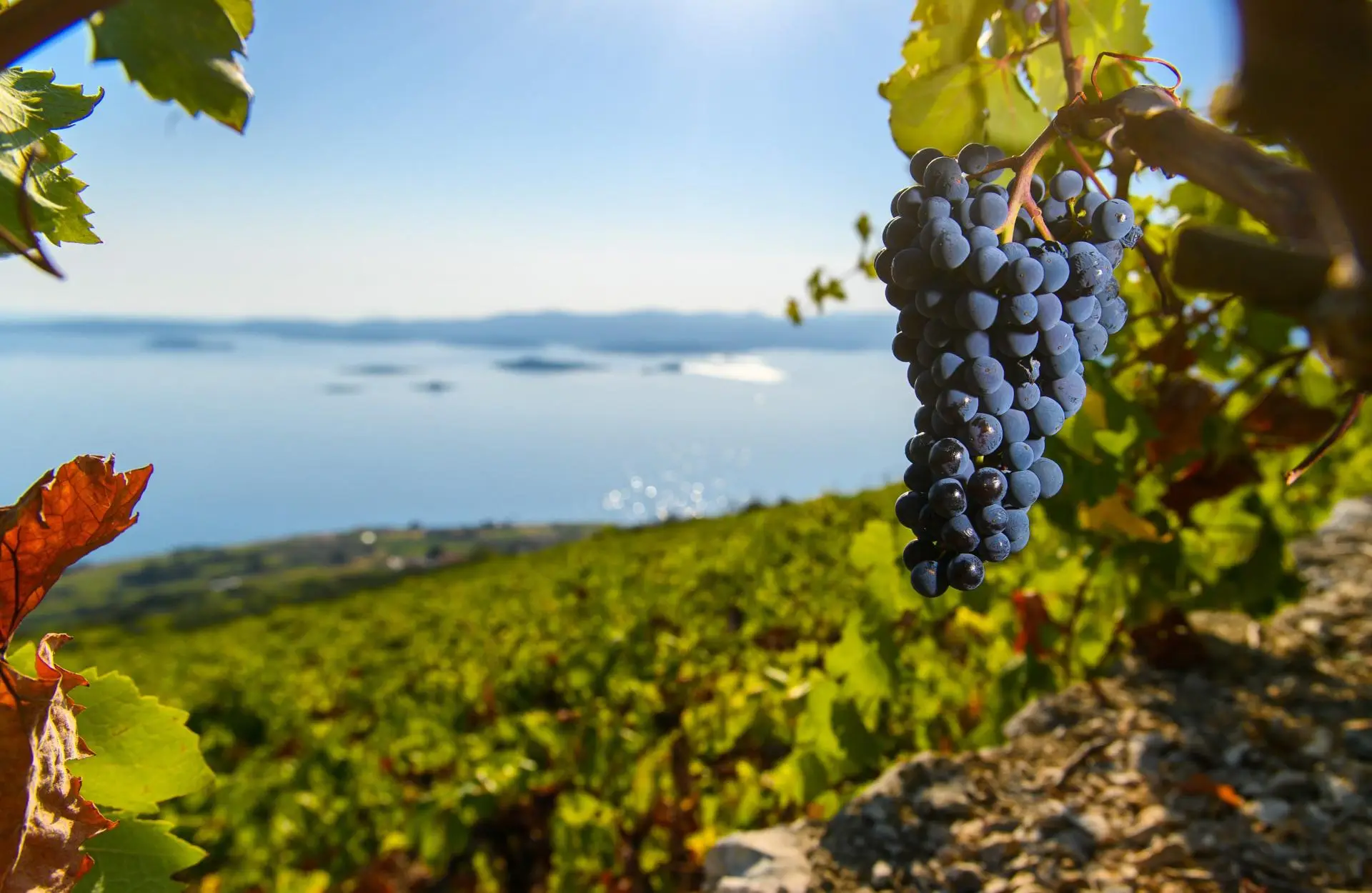 Grape harvest season starts in September on Peljesac Peninsula, image via: source
Dubrovnik Winter Months (November–February): Low Season
Winter in Dubrovnik offers a different experience. The streets are quiet, and you can sit in a café on Stradun without the summer crowds. While it may not be for everyone, it has real charm.
Weather: November averages around 15°C, and December to February settle at 9–12°C. While the rains are frequent, snow is extremely rare, maybe once every several years. The sea drops to around 14–15°C, so swimming is off the table.
Crowds: Minimal. Some days, you have the walls nearly to yourself. On the downside, many restaurants, bars, and tour operators close or run limited schedules from November through March.
Events: The Dubrovnik Winter Festival brings Christmas markets, lights, and live music from late November through early January. On February 3, the city celebrates the Feast of St. Blaise. It's one of the most authentic cultural moments you can witness here.
If you come in winter, plan your restaurant list in advance. Many Old Town spots close for the season. The ones that stay open tend to be real local favourites. Don't hesitate to ask us for recommendations, and we'll point you to where Dubrovnik residents actually eat.
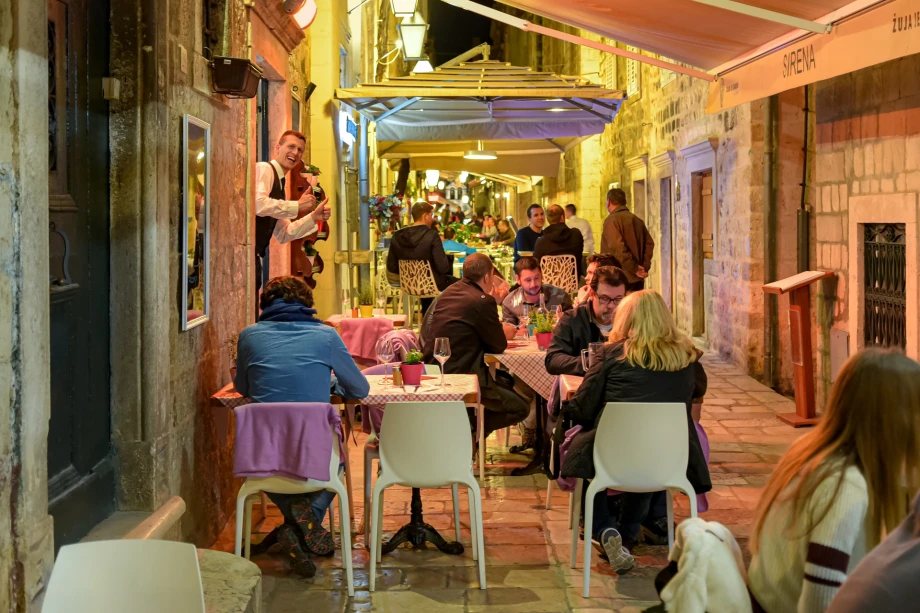
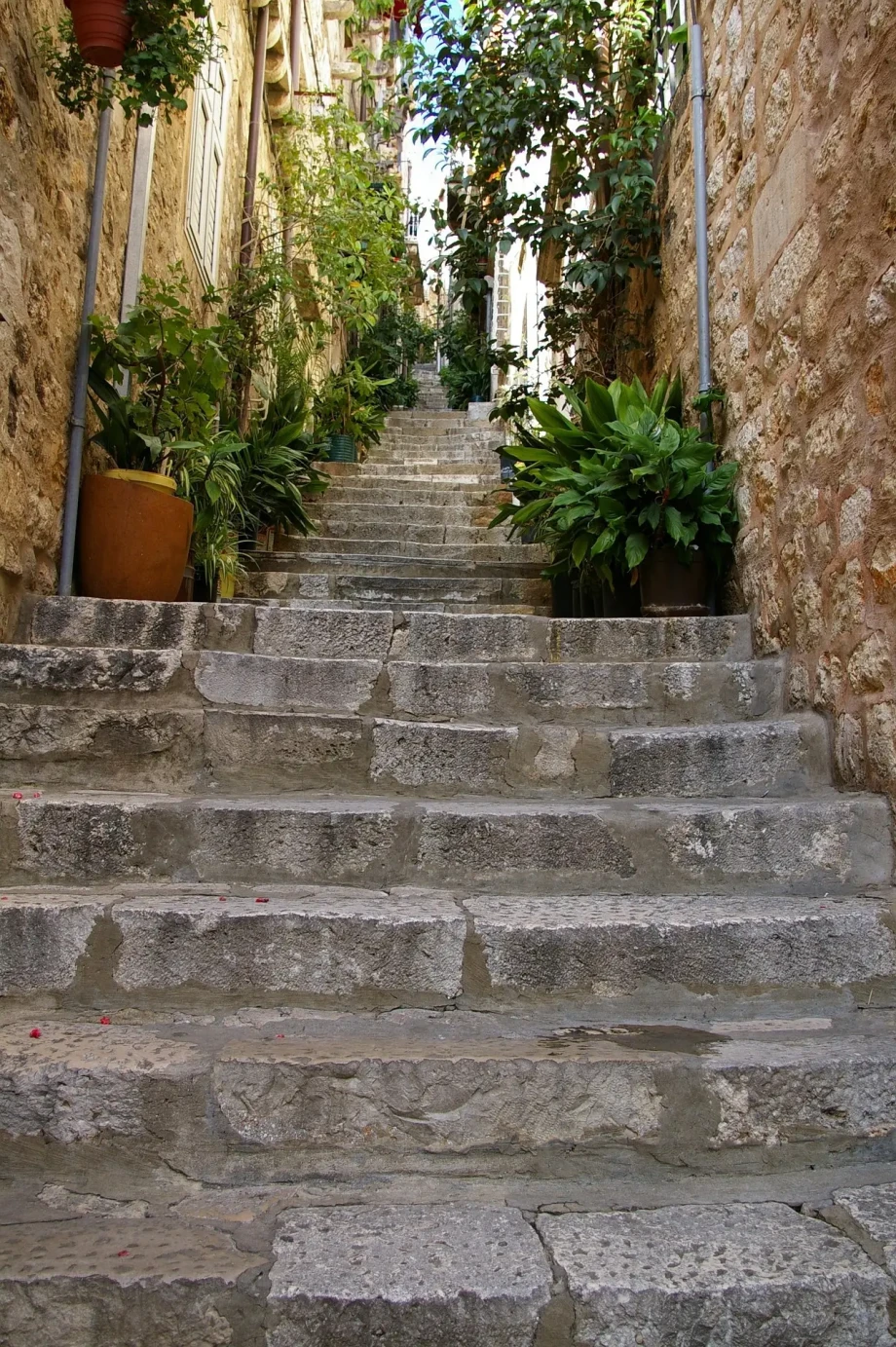
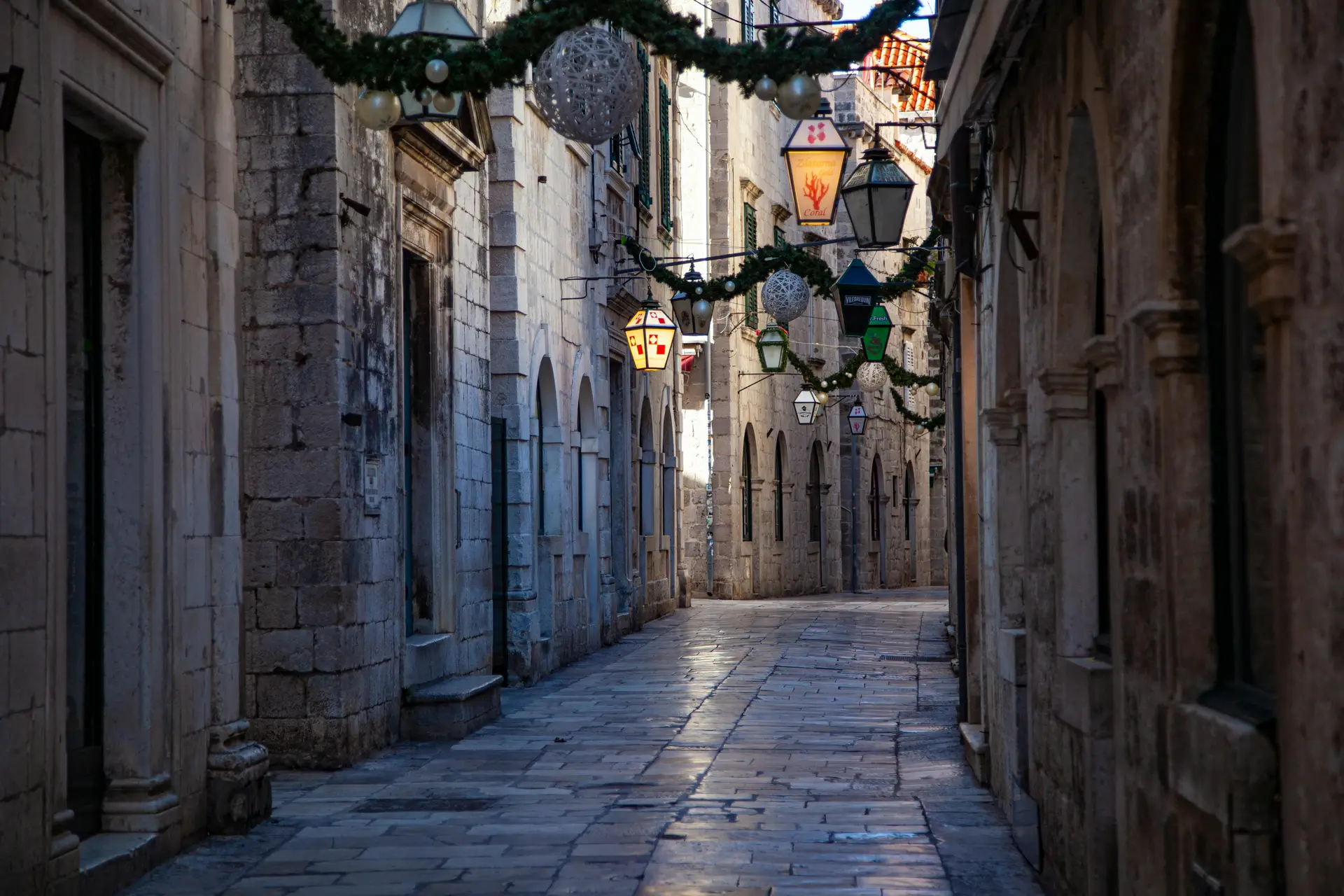 Many Old Town spots close in winter months
2026 Update: Dubrovnik's New Rules
Starting in 2026, Dubrovnik requires advance reservations for the city walls and major museums through the Dubrovnik Pass system. The day pass costs €40 and includes timed entry. Cruise ships remain capped at two per day, with a maximum of 4,000 simultaneous cruise visitors. Coach drop-offs at Pile Gate now follow scheduled time slots. These measures apply year-round, but they matter most in summer. Plan ahead regardless of when you visit.
FAQs
What is the best month to visit Dubrovnik?
May and September offer the best balance of good weather, manageable crowds, and reasonable prices. If swimming is a priority, September has warmer sea temperatures.
Is Dubrovnik too crowded in summer?
July and August are very busy, with up to 10,000 visitors per day. If you come in summer, choose June for lighter crowds or visit the walls and Old Town early in the morning.
Can you swim in Dubrovnik in October?
Yes. The average sea temperature in October is around 21°C, which is comfortable for most people. By late October, it starts to feel cool.
Is Dubrovnik worth visiting in winter?
Winter suits travellers who prefer quiet streets, low prices, and cultural experiences over beaches. Just note that some restaurants and tour operators close for the season.
Do I need to book city wall tickets in advance in 2026?
Yes. From 2026, timed-entry reservations are required for the city walls and museums. Book through the Dubrovnik Pass system before you arrive.
How many days should I spend in Dubrovnik?
Three to four days is enough to explore the Old Town, walk the walls, take a day trip, and enjoy some beach time.