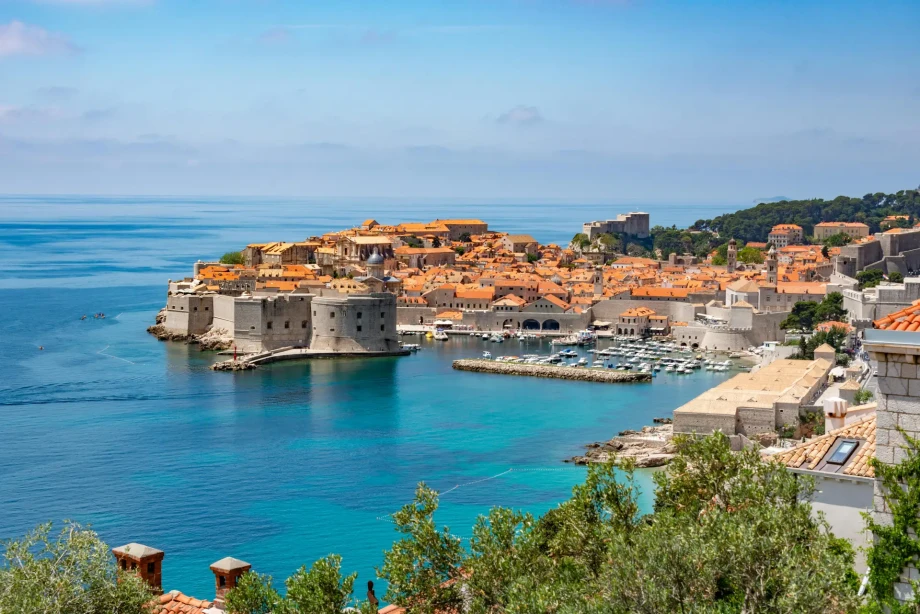
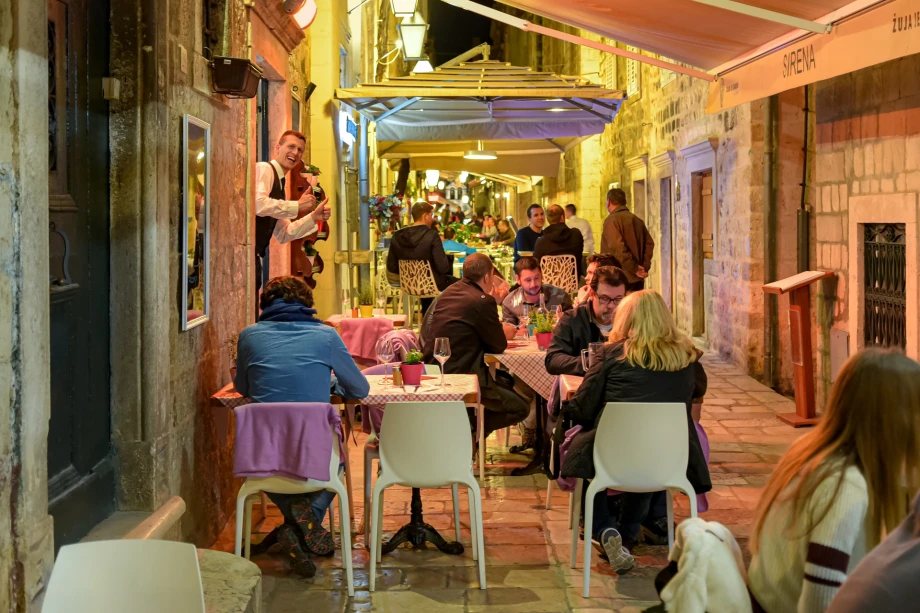
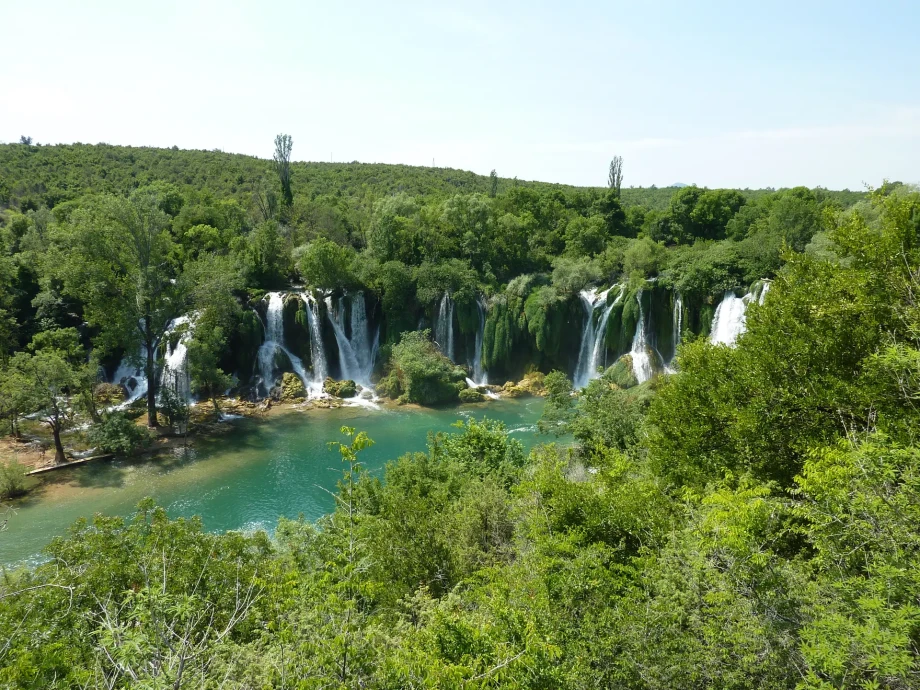
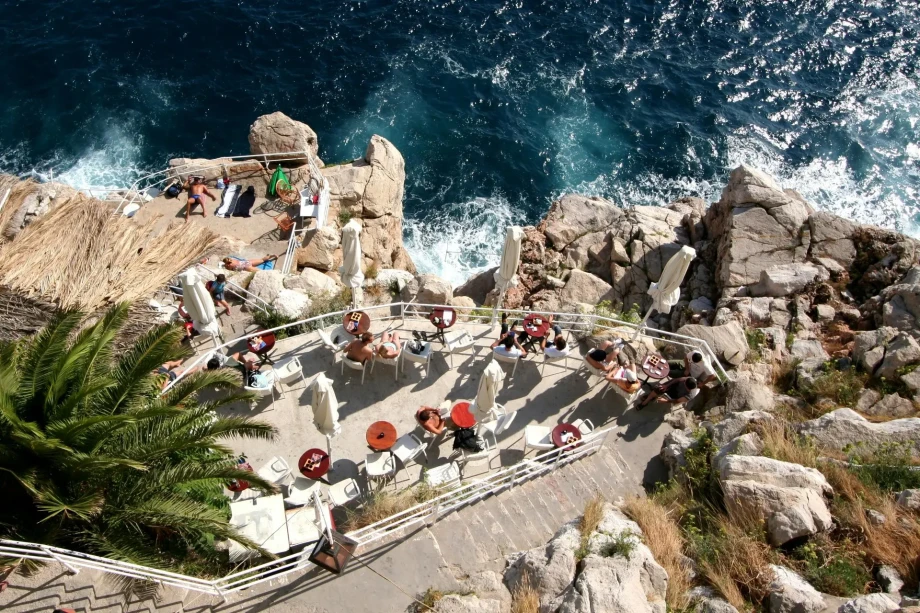
You've reached Dubrovnik, Croatia, the vacation spot you've been eyeing for a full year. However, where should one begin? See the top 10 attractions in Dubrovnik Old Town with us in the upcoming article. Along with some further recommendations, you will see what must-see locations are inside the walls. Now, let's begin.
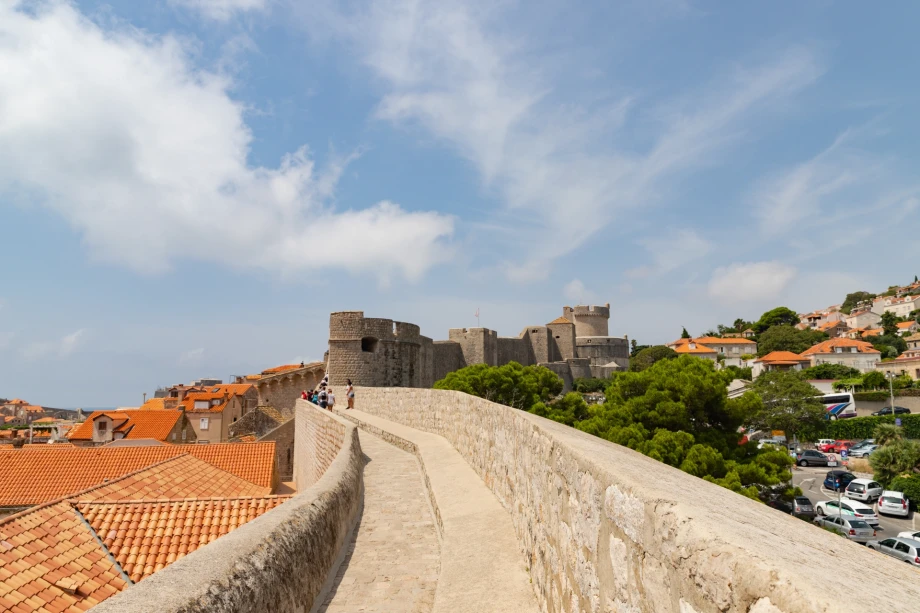
The perfect starting point for your tour is the iconic Pile Gate entrance. You enter the city's centre right through these gates. From here, you can easily access the Dubrovnik city walls. And if you're a Game of Thrones fan, you might recognize several filming locations. Consider purchasing the Dubrovnik Pass, which gives you admission to many sites, for the whole experience. Expect to go through the entire circuit of the walls in about two hours. Because the walls are only accessible during certain hours, be sure to verify the opening hours.
No. 1 Explore the Dubrovnik City Walls
The city walls in Dubrovnik were constructed between the 12th and 17th centuries. Today, they stand as a formidable testament to the city’s rich history and strategic importance. Throughout history, they have been defending Dubrovnik's ancient city. These ancient walls are the most popular attraction in Dubrovnik and are world-famous.
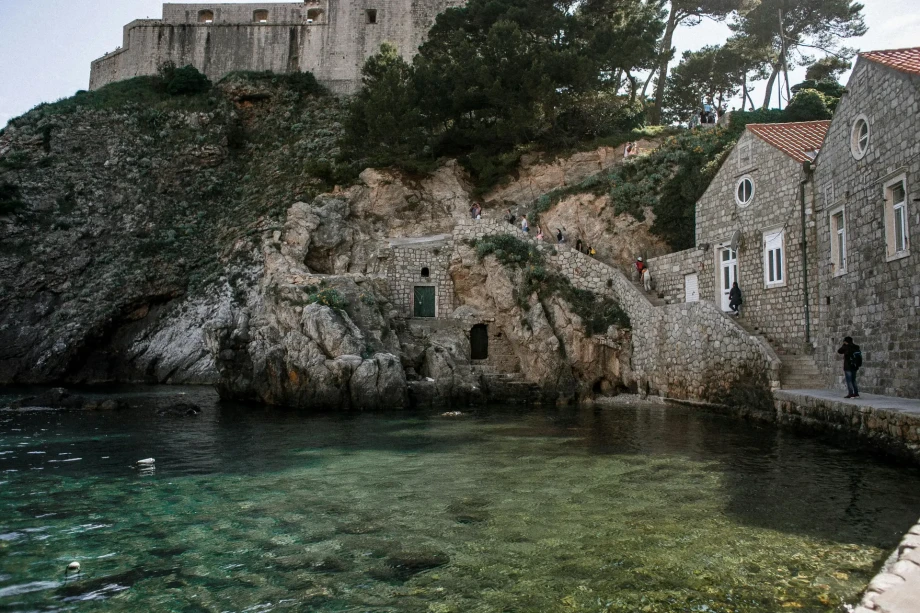
Although it is possible to traverse them independently, taking a guided tour is the most effective way to fully understand the significance and history of these buildings. If you visit the walls on your own, you can miss some insights that a knowledgeable guide can provide. The walls stretch nearly two kilometers and lead to various points of interest. For example, the Lovrijenac Fortress and the entrance to the Maritime Museum. A ticket is needed to enter the walls, and the Dubrovnik pass grants you entry to several sites.
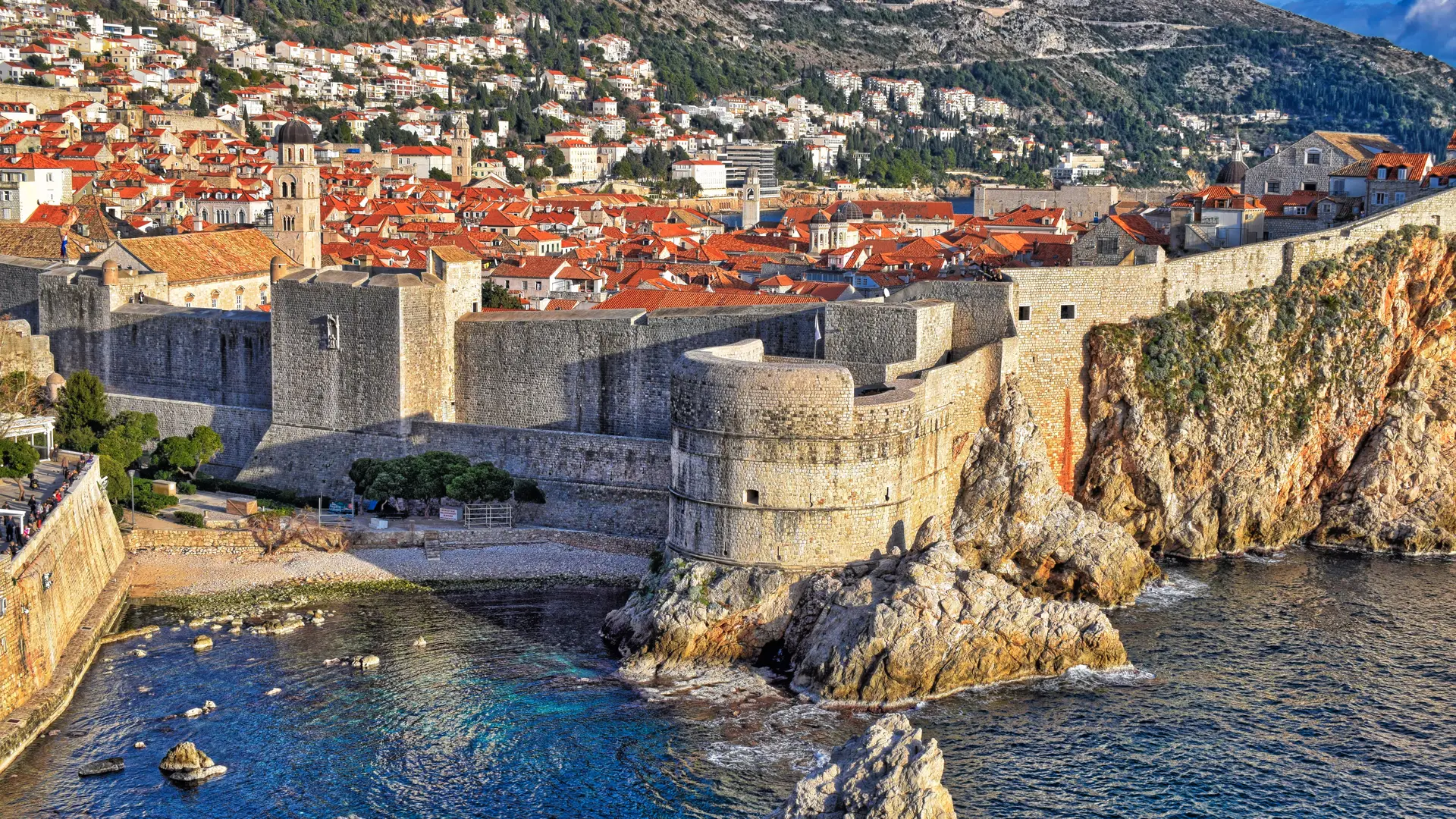 Dubrovnik City Walls
No. 2 Main Entrance to the City Walls—the Pile Gate
Pile Gate is a historic gateway on the west side of Old Town, the main entrance to Dubrovnik's walls. When you walk through, you arrive right on the Old Town's main street, the Stradun. In the past, the gates were locked, and the key was kept in the Rector's Palace guardhouse. Pile Gate has both an outer and inner gate, plus two bridges that connect them. As you step through this impressive entrance, you'll see the ancient stone walls that have protected the city for centuries. From here, you can join a walking tour along the city walls and enjoy views of the old town's rooftops and the Adriatic Sea.
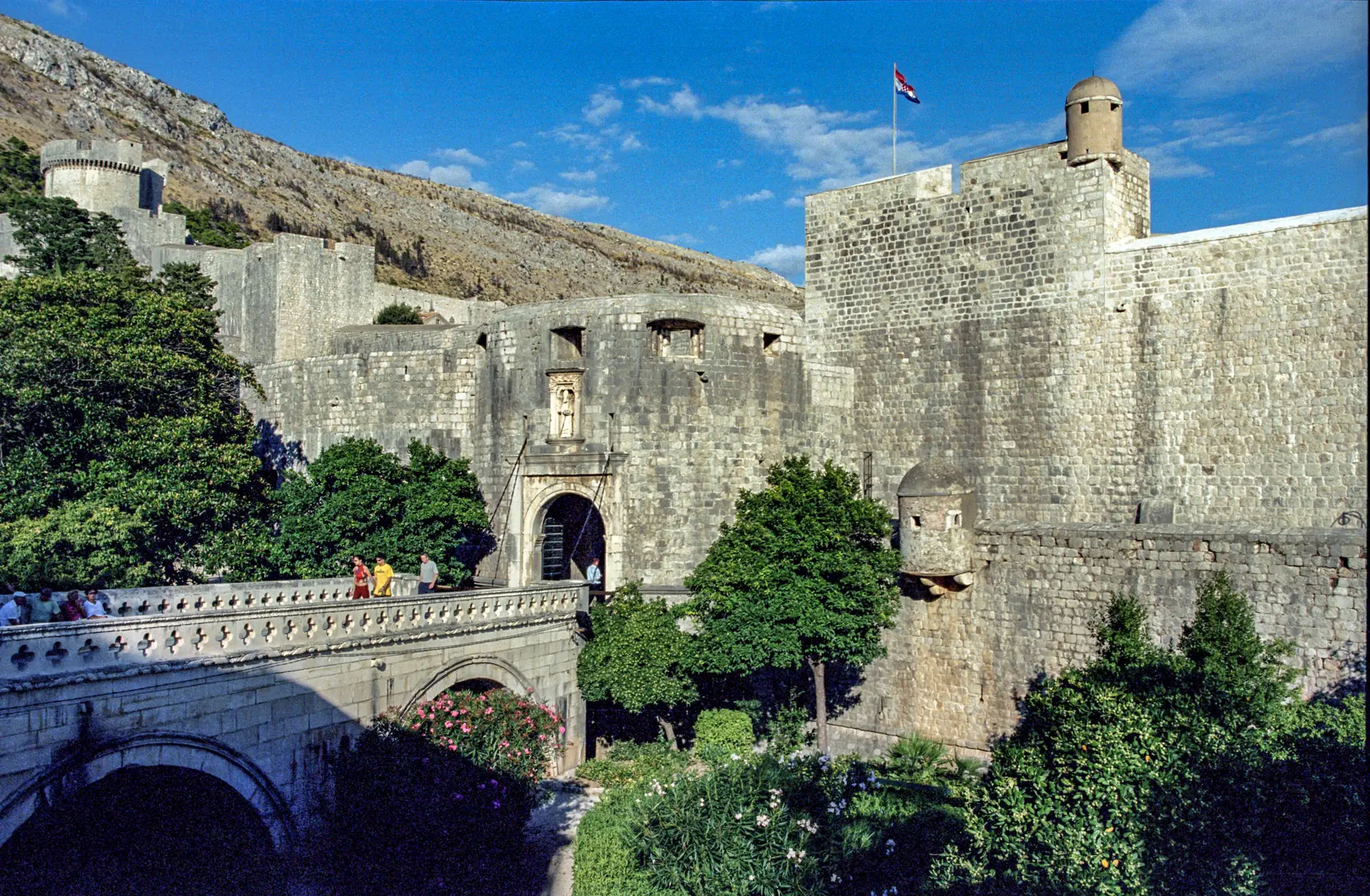 The Pile Gate
No. 3 Discovering the Ploce Gate
Ploce Gate is the eastern entrance to Dubrovnik's famous city walls. Like Pile Gate, it has both outer and inner gates, connected by stone and wooden bridges. Next to the outer gates is Revelin Fortress, which was part of the city's defense system even though it is not part of the walls. Both Pile Gate and Ploce Gate have a stone statue of St Blaise, the city's patron saint, above them.
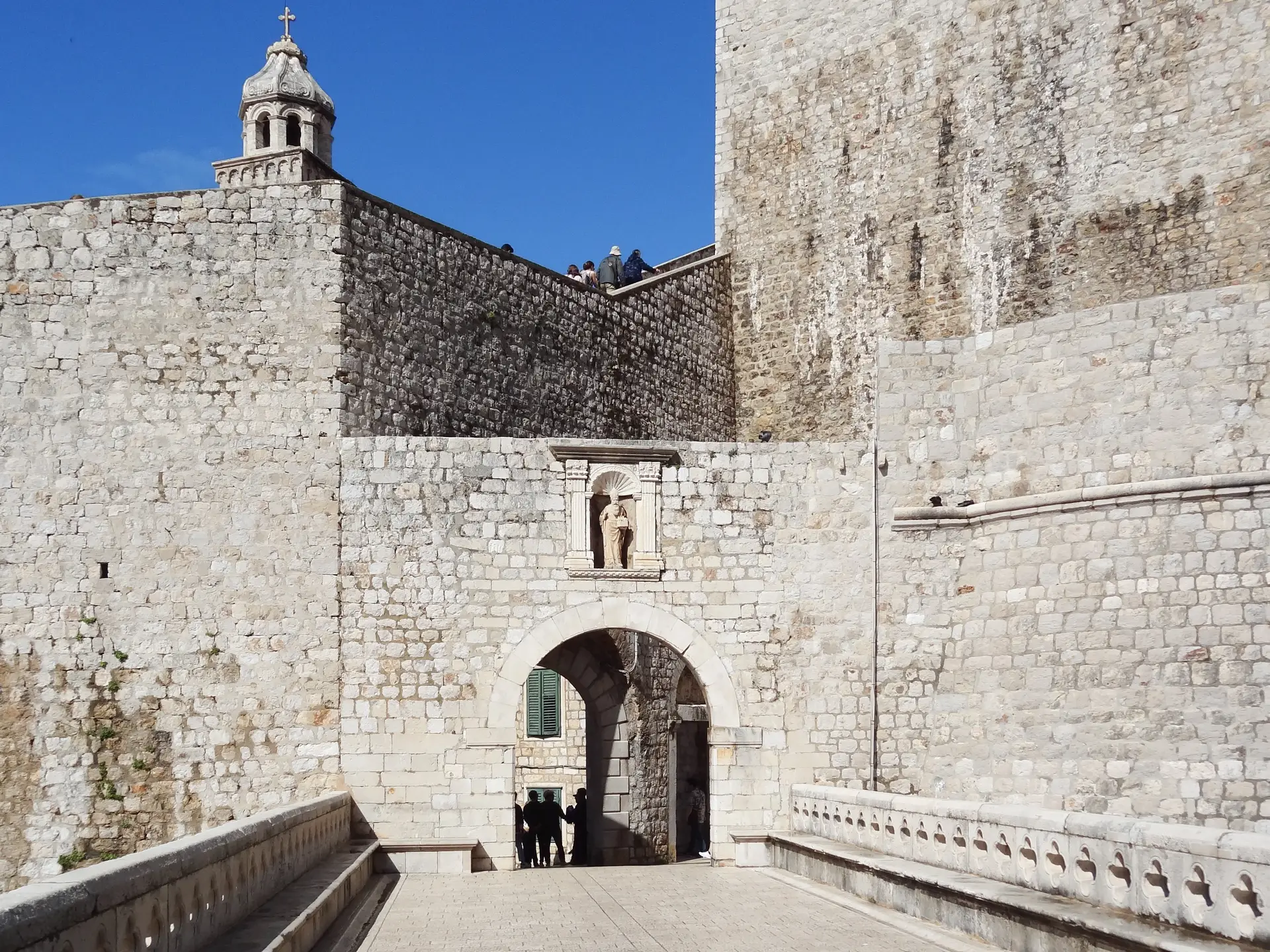 The Ploce Gate
No. 4 Visit the Maritime Museum
The Maritime Museum was founded in 1949 by the Yugoslav (now Croatian) Academy of Sciences and Arts and has been part of the Dubrovnik Museums since 1987. Most of its collection comes from the 1941 exhibition Dubrovnik Seafaring through the Ages. In the early 20th century, many Dubrovnik residents donated items to the Patriotic Museum. Today, the museum has over 11,000 objects in 15 collections. If you want to visit both the museum and the city walls, you will need a separate ticket for each.
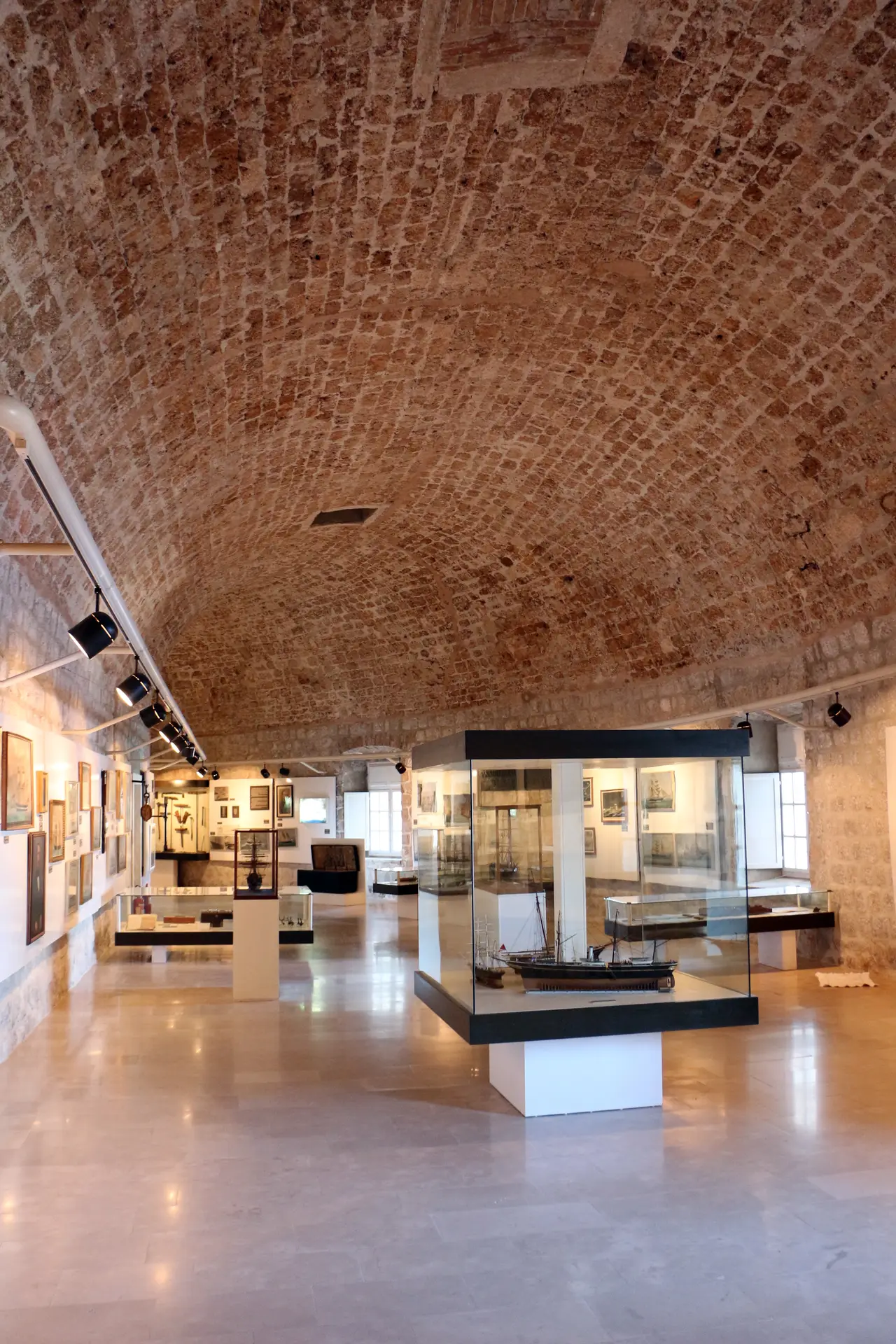 The Maritime Museum
No. 5 Bokar Fortress
Bokar Fortress stands next to the famous Dubrovnik Walls and is a great example of medieval military architecture. Built in the 15th century, it was meant to protect the city's western entrance and was important for Dubrovnik's defense. Its circular design gives a full view of the sea and land, making it a key lookout point. When you visit Bokar Fortress, you can enjoy wide views of the Adriatic Sea and the historic city below.
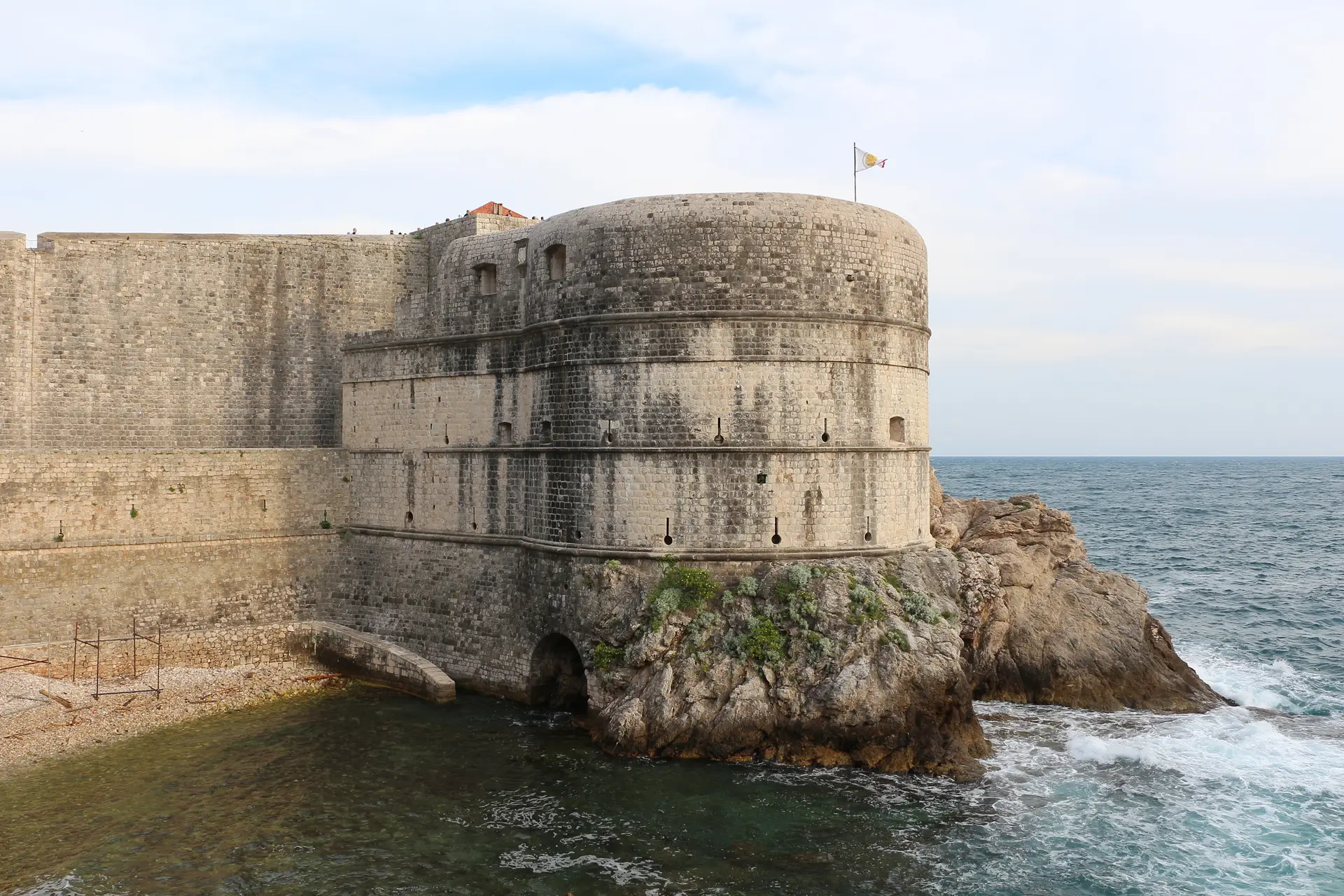 Bokar Fortress
No. 6 Minceta Fortress
Minceta Fortress is a symbol of Dubrovnik's history and architecture. Built in the 15th century, it is the highest point on the city walls and offers wide views of the city and the Adriatic Sea. Along with St. Blaise, it represents Dubrovnik. The fortress was designed in the Renaissance style and served as a key defense against invasions. Today, you can visit Minceta to explore its strong walls and enjoy the impressive views.
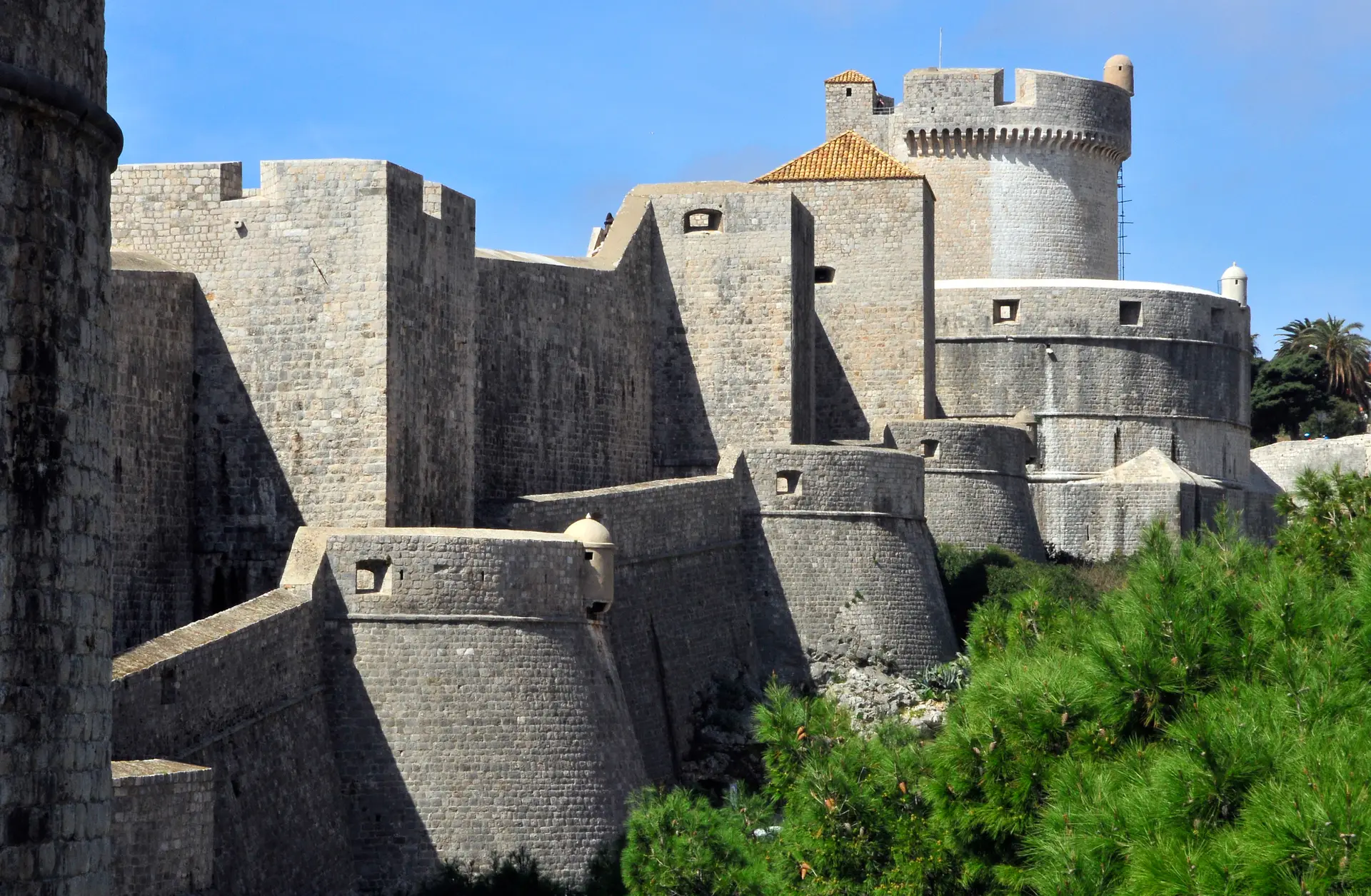 Minceta Fortress
No. 7 Stradun—the main street
Locals often say that: "If you haven't walked along Stradun, you haven't really visited Dubrovnik." Stradun, also called Placa, is the city's main street. It is lined with beautiful limestone buildings and filled with shops, cafes, and restaurants, making it lively for locals and visitors alike. At each end of the street, you'll find the Big and Small Onofrio's Fountains. The two most significant annual events on Stradun are the St. Blaise's Day ceremony on February 3rd and the New Year's Eve celebration. People from around the world book seats on nearby terraces months ahead to enjoy these events.
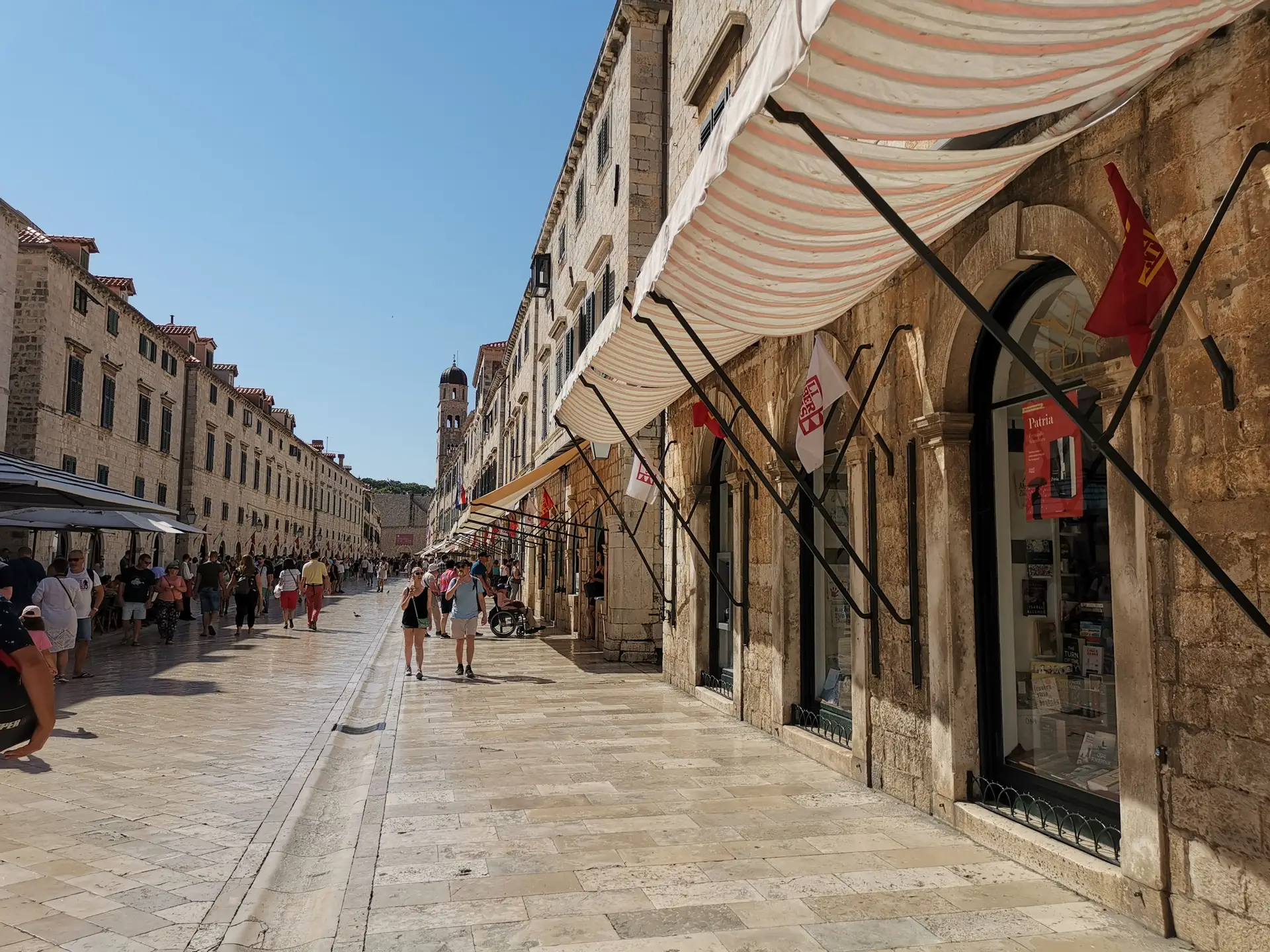 Stradun
No. 8 Large Fountain of Onofrio
The Large Fountain of Onofrio is an example of Renaissance architecture and a historical landmark. It was built in the 15th century by the architect Onofrio della Cava and served as the city's water supply. The circular, stone-carved fountain has 16 spouts and is used to provide fresh water to Dubrovnik residents. Since it is situated near the entrance of the Old Town, it remains a popular gathering spot for both locals and tourists, offering a refreshing respite to this day. Amazing, isn't it?
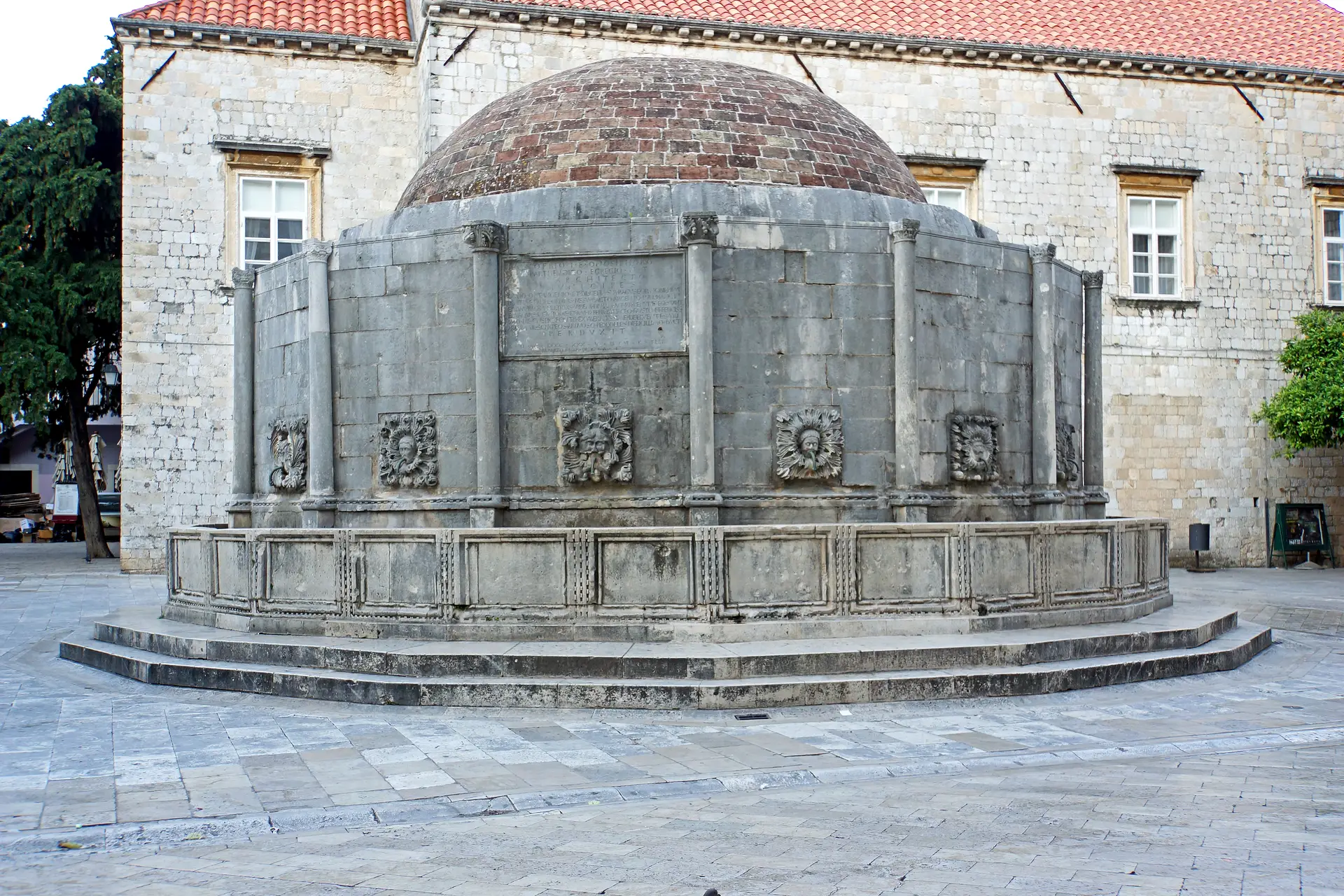 The Large Fountain of Onofrio
No. 9 Visit Rector's Palace
The Rector's Palace is a Gothic palace with Renaissance and Baroque reconstructions. Initially built in the 15th century, it functioned as the residence of the Rector. At the time, he was the highest authority in the Republic of Ragusa. The palace now houses a museum showcasing Dubrovnik's history. You can enter it and see its elegant facade, intricate stonework, and beautifully adorned interior. As a key landmark within the walls, the Rector's Palace offers a glimpse into the political and social life of the old maritime republic.
During the Dubrovnik Summer Festival, classical music concerts are held in the atrium of the Rector's Palace, thanks to its exceptional acoustics. Throughout the year, the Dubrovnik Symphony Orchestra traditionally performs its concerts in the same venue.
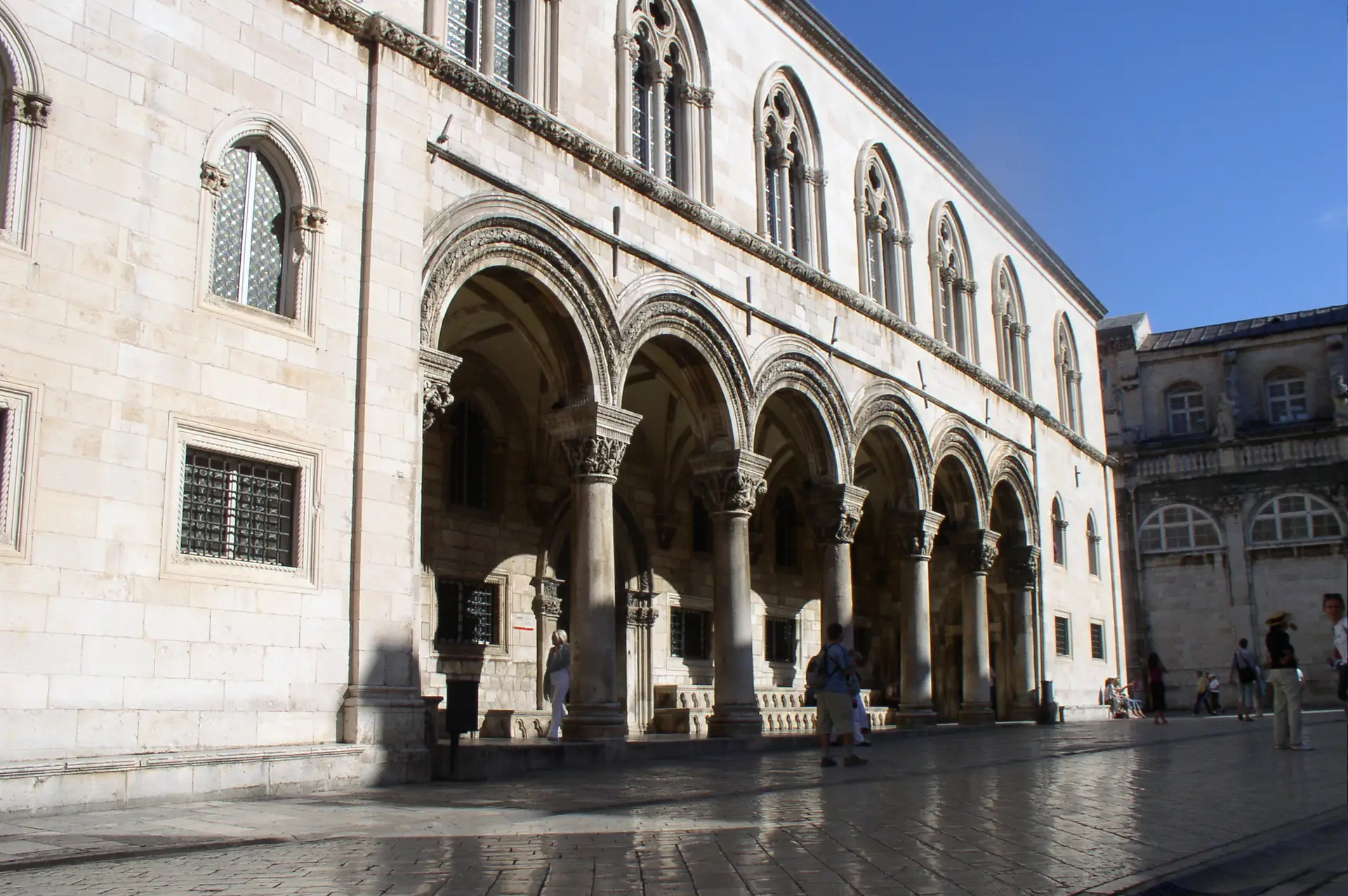 Rector's Place
No. 10 Church of St. Blaise (Sveti Vlaho)
The Church of St. Blaise stands in the center of Dubrovnik and is dedicated to the city's patron saint. It features beautiful Baroque architecture and detailed interior designs. Its location near Stradun makes it a favorite spot for visitors who want to experience the city's history. The church is not only a place of worship but also hosts cultural events and celebrations that showcase Dubrovnik's traditions.
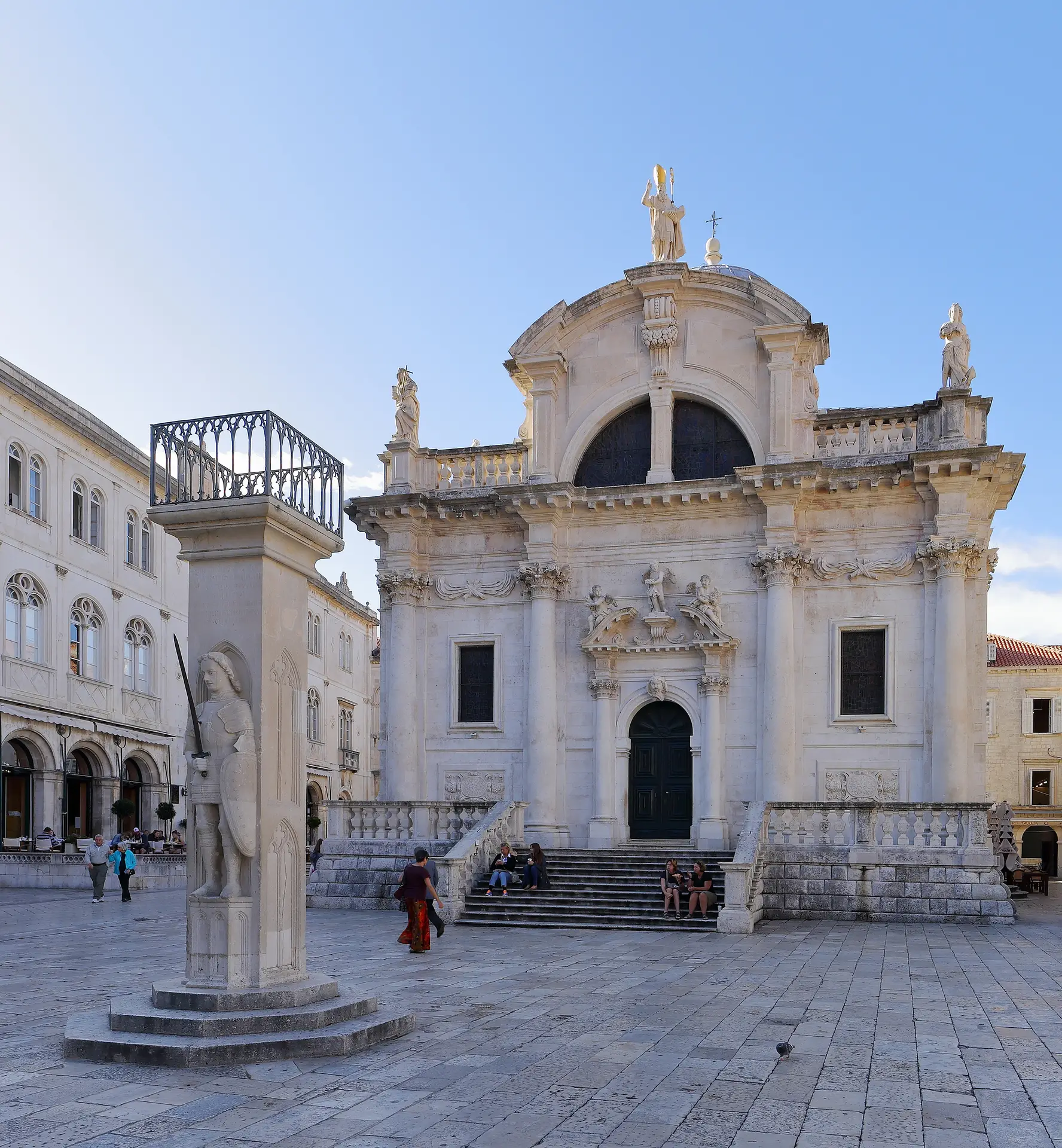 St.Blaise church